

Why Every Dog Needs a Personalized ID Tag?
As a responsible dog owner, one lesson I learned early is that prevention is always better than panic. Dogs are naturally curious animals, and even the most well-trained pet can sometimes slip out of the yard, get startled during a walk, or wander away in unfamiliar surroundings.
These situations happen more often than many people expect. A gate left open, a loud noise from fireworks, or even excitement during a walk can cause a dog to run away unexpectedly. Because of this, one of the first things I recommend to every pet owner is using a personalized dog tag.
If you're considering getting one for your pet, you can explore different styles of custom engraved dog tags designed to keep your dog’s identification clearly visible.
The Importance of Proper Pet Identification
Every dog owner should understand one simple truth: dogs sometimes get lost. Even if your pet is well trained, unexpected situations can occur.
According to research from pet safety organizations, millions of pets go missing every year. Some eventually return home on their own, but many rely on the kindness of strangers who find them and try to locate their owners.
When a dog has clear identification attached to its collar, it significantly increases the chances that someone can quickly contact the owner. This is why pet identification should always be considered an essential part of responsible dog ownership.
How a Personalized Dog Tag Helps Reunite Lost Dogs?
When someone finds a dog wandering alone, their first instinct is usually to check the collar for identification. A personalized dog tag provides immediate access to important details that help the finder contact the owner quickly.
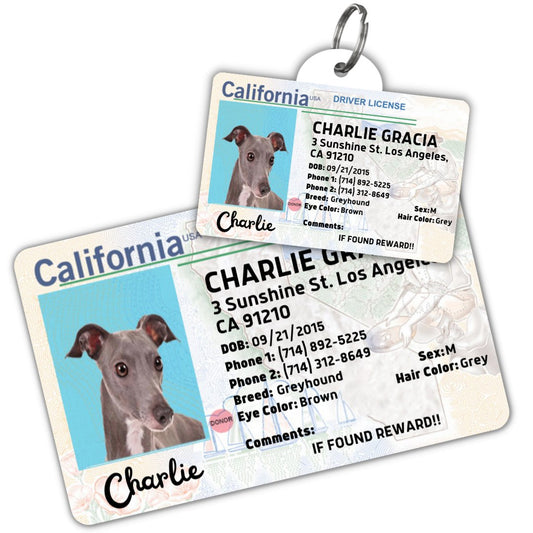
Most dog tags typically include:
-
The dog’s name
-
The owner’s primary phone number
-
A secondary contact number (optional)
With this information, the person who finds the dog can simply call the owner and arrange a safe return.
Without a tag, the finder may need to take the dog to a veterinary clinic or animal shelter so professionals can check for a microchip. While microchips are extremely helpful, they require special scanners and trained staff.
In recent years, many dog owners have started relying on microchips for pet identification. Microchips provide permanent identification, but they cannot be read without a scanner.
A personalized dog tag works instantly in any location. Whether the dog is found in a park, neighborhood, or hiking trail, the finder can immediately see the owner’s contact information.
Newer technologies are also improving pet identification. For example, QR code dog tags allow people to scan the tag with a smartphone and access the pet’s digital profile.
Veterinarians often recommend combining multiple identification methods, including:
-
A registered microchip
-
A properly fitted collar
-
A personalized dog tag
Using these together provides the best protection for your pet.
Benefits of Using a Personalized Dog Tag
A personalized dog tag offers several advantages that make it one of the most useful safety tools for dog owners.
Some of the biggest benefits include:
-
Immediate identification that shows the dog belongs to someone
-
Faster communication through a simple phone call
-
Higher chances of recovery if the dog gets lost
-
Peace of mind for pet owners during walks and travel
These simple advantages can make a huge difference when time matters.
What Information Should Be on a Dog Tag?
Choosing the right information for a dog tag is very important. The tag should include enough details to help someone contact you while still remaining easy to read.
The most essential information is usually the dog’s name and the owner’s phone number. These two details alone are often enough to reunite a lost dog with its owner.
Some pet owners also include a second phone number or a note that the dog is microchipped. If you're unsure what details to include, this guide on what should be on your dog’s tag explains the most important information to add.
Most experts recommend avoiding full home addresses on dog tags for privacy reasons.
Choosing the Right Material for a Dog Tag
Dog tags are available in several materials, and each option has its own advantages. The material you choose will affect durability, weight, and how long the engraved text remains readable.
Stainless steel tags are one of the most durable options available because they resist rust and scratches. They are especially suitable for active dogs who spend a lot of time outdoors.
Aluminum tags are also popular because they are lightweight and affordable, which makes them a great choice for small dogs.
Brass tags offer a classic look and strong durability, while silicone tags are designed to reduce the jingling sound created by metal tags.
If you want something durable and stylish, you can also look at stainless steel engraved dog tags that are built to last for everyday use.
Situations Where Dog Tags Become Especially Important
There are several situations where a personalized dog tag becomes even more important for your pet’s safety.
Dogs are more likely to become separated from their owners during:
-
Travel or road trips
-
Visits to dog parks
-
Hiking or outdoor adventures
-
Veterinary or grooming appointments
-
Holidays with fireworks
In these situations, dogs may become confused or frightened, increasing the chances that they run away.
A visible dog tag makes it much easier for someone to contact the owner quickly if the dog is found.
When Should Puppies Start Wearing Dog Tags?
Many new dog owners ask when puppies should begin wearing identification tags.
The best time to start is as soon as the puppy begins wearing a collar. Puppies are curious and energetic, and they often explore their surroundings without understanding potential dangers.
Starting early ensures that the puppy can always be identified if it wanders away. It also helps them become comfortable wearing a collar and tag as part of their daily routine.
Common Mistakes Dog Owners Make with Dog Tags
While dog tags are simple and effective, some pet owners unintentionally reduce their effectiveness by making a few common mistakes.
One of the most frequent mistakes is not updating the contact information when phone numbers change. If the number on the tag is outdated, it may prevent someone from reaching the owner when the dog is found.
Another mistake is choosing tags with very small or unclear text. If the engraving is difficult to read, the information becomes much less useful in an emergency situation.
Why Personalized Dog Tags Are a Small Investment for Big Safety
Compared to many other pet accessories, a personalized dog tag is extremely affordable. Despite its low cost, it can play a critical role in protecting your pet.
Think of a dog tag as a simple safety tool that travels with your pet wherever they go. It provides immediate identification, helps strangers contact you quickly, and greatly improves the chances of a lost dog being reunited with its family.
Many pet owners invest in toys, beds, and grooming products for their dogs, but a dog tag is one of the few items that can actually help bring a pet back home if something unexpected happens.
Final Thoughts
After years of caring for dogs and learning from veterinary professionals and pet safety organizations, one thing remains clear: a personalized dog tag is one of the simplest tools that can help protect your dog’s life.
It provides immediate pet identification, enables quick communication, and greatly increases the chances that a lost dog will be reunited with its family.
Whether you choose a traditional engraved tag or a modern smart tag, adding identification to your dog’s collar is one of the most responsible decisions a pet owner can make.
Frequently Asked Questions (FAQs)
1. What is a personalized dog tag?
A personalized dog tag is an identification tag attached to a dog’s collar that contains important information such as the dog’s name and the owner’s contact number. It helps people quickly identify and return a lost dog.
2. What information should be included on a personalized dog tag?
A personalized dog tag should include the dog’s name and the owner’s phone number. Some owners also add a secondary phone number, city name, or a note like “microchipped.”
3. Is a personalized dog tag necessary if my dog has a microchip?
Yes. A personalized dog tag provides immediate visible identification, while a microchip requires a scanner at a veterinary clinic or shelter. Using both together offers better pet safety.
4. What material is best for a personalized dog tag?
Common materials for a personalized dog tag include stainless steel, aluminum, and brass. Stainless steel is often preferred because it is durable, rust-resistant, and long-lasting.
5. When should a dog start wearing a personalized dog tag?
Dogs should start wearing a personalized dog tag as soon as they begin using a collar, even as puppies. Early identification helps ensure they can be returned home if they wander off.