

Pumpkin Dog Treats Recipe: Easy, Healthy & Vet-Safe
A 4-ingredient pumpkin biscuit, three easy variations, calories per treat, a daily serving chart by weight, and the safety checks most recipes skip.

The second a can of pumpkin opens in most kitchens, a pair of hopeful eyes appears at knee level. Good news: that same can can become a batch of crunchy, wholesome biscuits in about 45 minutes, using ingredients you probably already have.
This pumpkin dog treats recipe goes further than most. You'll get the core 4-ingredient recipe, three easy variations (wheat-free, frozen, and soft for seniors), calories per treat, a daily serving chart by weight, and a troubleshooting guide for when the dough won't cooperate.
Most importantly, you'll know exactly which pumpkin, peanut butter, and spices are safe, and which common pantry swaps can send your dog to the vet.
Quick answer: To make pumpkin dog treats, mix 1 cup of 100% pure pumpkin puree, 2 eggs, and 1/4 cup of xylitol-free peanut butter, then stir in about 2 1/2 cups of whole wheat or oat flour until a firm dough forms. Roll to 1/4 inch, cut into shapes, and bake at 350°F for 25 to 35 minutes. Never use pumpkin pie filling, and keep all treats under 10% of your dog's daily calories.
Why Pumpkin Makes a Great Homemade Dog Treat
Plain pumpkin is one of the few "people foods" veterinarians regularly mention in a positive light. It's low in calories, naturally sweet, and rich in soluble fiber, which helps firm up loose stools and keeps things moving when a dog is a little backed up.
According to USDA FoodData Central, one cup of plain canned pumpkin has roughly 83 calories and about 7 grams of fiber. That makes it a smart base for treats, since it adds moisture and flavor without much fat.
Key nutrients in plain pumpkin
- Soluble fiber: supports digestion and stool quality.
- Beta-carotene (vitamin A precursor): supports vision, skin, and coat health.
- Vitamins C and E: antioxidants that support immune health.
- Potassium and iron: minerals that support muscle and blood health.
PetMD's vet-reviewed guide highlights the same benefits, with one important caveat: more is not better. Too much pumpkin can cause digestive upset of its own.
Why homemade matters to pet parents
When you bake at home, you control every ingredient. There are no mystery fillers, artificial colors, or preservatives, and you can adjust for allergies or a sensitive stomach.
It also matters for waistlines. The Association for Pet Obesity Prevention classified 59% of U.S. dogs as overweight or obese in its 2022 survey. Knowing exactly what's in each biscuit makes portion control far easier.
The S.A.F.E. Check: 4 Rules Before You Bake
Every pumpkin dog treats recipe online assumes you'll pick the right ingredients. We'd rather spell it out. Run through this quick framework before you preheat the oven.
- S: Source plain pumpkin. The label should say "100% pure pumpkin" with one ingredient. Pumpkin pie filling contains sugar and spices like nutmeg and cloves, which are not safe for dogs.
- A: Always check for xylitol. Some peanut butters contain xylitol, also listed as "birch sugar" or "wood sugar." The FDA warns it can cause a dangerous drop in blood sugar within 10 to 60 minutes.
- F: Fit the 10% rule. Treats of all kinds should make up no more than 10% of your dog's daily calories, a guideline echoed by VCA Animal Hospitals.
- E: Ease in slowly. Offer one small treat the first day and watch for gas, loose stool, or itching before making it a routine.
Pet parent tip: Snap a photo of your peanut butter label the first time you check it. Brands reformulate, so a quick glance at the ingredient list every new jar keeps xylitol out of your kitchen for good.
Easy Pumpkin Dog Treats Recipe (4 Ingredients)
This is our go-to crunchy biscuit. It holds its shape well with cookie cutters, travels in a pocket without crumbling, and stores longer than soft versions.
| Prep time | Bake time | Total time | Yield | Calories (est.) |
|---|---|---|---|---|
| 15 minutes | 25 to 35 minutes | About 50 minutes | ~40 treats (2-inch cutter) or ~80 (1-inch) | ~40 kcal (2-inch) or ~20 kcal (1-inch) |
Ingredients
- 1 cup (about 245 g) 100% pure pumpkin puree, canned or homemade
- 2 large eggs
- 1/4 cup natural, xylitol-free peanut butter (ingredients: peanuts, maybe salt)
- 2 1/2 cups whole wheat flour, plus a little for dusting (oat flour works too; see swaps below)
- Optional: 1/2 teaspoon ground cinnamon (never nutmeg)
Equipment
- Large mixing bowl and sturdy spatula
- Rolling pin and cookie cutters (bones, pumpkins, or leaves for fall)
- Baking sheet lined with parchment paper
- Wire cooling rack
Step-by-step instructions
- Preheat the oven to 350°F and line a baking sheet with parchment.
- Whisk the wet ingredients. In a large bowl, mix the pumpkin, eggs, and peanut butter until smooth.
- Add flour gradually. Stir in the flour 1/2 cup at a time. Stop when the dough is firm, slightly tacky, and no longer sticks to your fingers.
- Roll it out. On a floured surface, roll the dough to about 1/4 inch thick.
- Cut your shapes. Use cookie cutters, or slice into 1-inch squares with a pizza cutter for fast training treats.
- Bake 25 to 35 minutes, until the edges are golden and the treats feel dry and firm.
- Dry them out (optional). For extra crunch and longer shelf life, turn off the oven and leave the treats inside for 1 to 2 hours with the door cracked.
- Cool completely on a wire rack before serving or storing. Warm treats trap steam and spoil faster.
Pet parent tip: Smaller is smarter. A 1-inch cutter roughly halves the calories per treat, so your dog gets twice the rewards for the same daily allowance.
3 Easy Variations for Every Dog
Not every dog does well with wheat or peanuts, and not every pet parent wants to turn on the oven. These variations cover the most common needs.
Variation 1: 3-Ingredient Wheat-Free Oat Pumpkin Bites
A good fit for dogs who do better without wheat. Oats are still a grain, so this version is wheat-free, not grain-free.
Ingredients
- 3 cups old-fashioned rolled oats, blended into flour
- 1 cup pure pumpkin puree
- 2 eggs
Method
Mix everything into a thick dough. Scoop teaspoon-size balls onto parchment and flatten with a fork, or roll and cut. Bake at 350°F for 16 to 20 minutes.
Variation 2: No-Bake Frozen Pumpkin Yogurt Bites
Perfect for hot days, lick-mat enrichment, or soothing a teething puppy (with your vet's okay). They take five minutes of hands-on time.
Ingredients
- 1 cup pure pumpkin puree
- 1 cup plain, unsweetened yogurt (no xylitol, no artificial sweeteners)
- Optional: 1 tablespoon xylitol-free peanut butter
Method
Stir together, spoon into a silicone mold or ice cube tray, and freeze for at least 4 hours. Serve one bite at a time, and skip this version for dairy-sensitive dogs.
Variation 3: Soft-Baked Pumpkin Treats for Seniors and Small Mouths
Older dogs, small breeds, and dogs with dental issues often prefer a softer chew. Use the main recipe with two small changes.
Changes to the main recipe
- Roll the dough slightly thicker, about 1/2 inch.
- Bake for only 15 to 20 minutes, until set but still soft in the center.
- Skip the oven-drying step and refrigerate them, since soft treats spoil faster.
Pumpkin Dog Treat Recipes Compared
| Recipe | Texture | Best for | Key allergen notes | Fridge life |
|---|---|---|---|---|
| Classic pumpkin peanut butter | Crunchy | Most adult dogs, training, gifting | Wheat, egg, peanut | Up to 2 weeks |
| Oat pumpkin bites | Firm, chewy | Wheat-sensitive dogs | Egg, oats (grain) | Up to 2 weeks |
| Frozen yogurt bites | Frozen, soft | Hot days, enrichment | Dairy | Freezer only, up to 2 months |
| Soft-baked version | Soft | Seniors, small breeds | Wheat, egg, peanut | About 1 week |
Canned vs. Fresh Pumpkin vs. Pie Filling
This is where most mistakes happen. The cans sit side by side on the shelf and look almost identical.
| Type | Safe for dogs? | Why |
|---|---|---|
| Canned 100% pure pumpkin | Yes | One ingredient, consistent texture, available year-round |
| Fresh pumpkin, cooked and pureed | Yes | Use sugar or pie pumpkins; roast or steam plain, no oil or salt |
| Pumpkin pie filling | No | Added sugar and spices like nutmeg and cloves; may contain xylitol |
| Raw pumpkin, stems, rind | No | Hard to digest and a choking or blockage risk |
| Carved jack-o'-lanterns | No | Can grow mold after sitting out |
| Pumpkin seeds | In moderation | Only plain, roasted, and ground; never salted or seasoned |
How to make pumpkin puree from scratch
- Halve a small sugar pumpkin and scoop out the seeds and strings.
- Roast cut-side down at 400°F for 40 to 50 minutes, until fork-tender.
- Scoop the flesh away from the skin and blend until smooth.
- Strain if watery. Homemade puree is looser than canned, so you may need a little extra flour.
How Many Pumpkin Dog Treats Can My Dog Have?
This is the question most recipe posts skip. We used the standard veterinary resting energy formula for a typical neutered adult dog to estimate a daily treat budget. Your vet can fine-tune these numbers for your dog's age, activity, and body condition.
| Dog weight | Est. daily calories | 10% treat budget | 2-inch treats (~40 kcal) | 1-inch treats (~20 kcal) |
|---|---|---|---|---|
| 10 lb | ~350 kcal | ~35 kcal | Less than 1 | 1 to 2 |
| 20 lb | ~585 kcal | ~58 kcal | 1 | 2 to 3 |
| 30 lb | ~795 kcal | ~80 kcal | 2 | 4 |
| 50 lb | ~1,165 kcal | ~115 kcal | 2 to 3 | 5 to 6 |
| 70 lb | ~1,500 kcal | ~150 kcal | 3 to 4 | 7 |
| 90 lb | ~1,810 kcal | ~180 kcal | 4 | 9 |
These counts assume pumpkin treats are the only extras that day. If your dog also gets chews, training rewards, or table scraps, count those in the same 10%.
Example: planning treats for a 30-pound beagle mix
Say your 30-pound pup eats about 795 calories a day. Her treat budget is about 80 calories.
- Option A: two 2-inch biscuits as an afternoon snack.
- Option B: four 1-inch bites spread across a training session.
- Option C: one 2-inch biscuit plus a dental chew (check the chew's calories on the label).
If she's carrying a few extra pounds, your vet may suggest a lower budget, and the 1-inch size becomes your best friend.
How much plain pumpkin can dogs eat?
For plain puree added to food, most vets suggest starting small. The Animal Humane Society recommends working up to no more than a few tablespoons a day for dogs.
- Small dogs (under 20 lb): start with about 1 teaspoon.
- Medium dogs (20 to 50 lb): start with about 1 tablespoon.
- Large dogs (over 50 lb): start with 1 to 2 tablespoons.
If your dog has ongoing diarrhea or constipation, call your vet rather than treating it with pumpkin alone.
Healthy Ingredient Swaps and Add-Ins
| Instead of | Try | Notes |
|---|---|---|
| Whole wheat flour | Oat, brown rice, or chickpea flour | Each absorbs moisture differently; add slowly |
| Eggs | 1 tbsp ground flaxseed + 3 tbsp water per egg | Let it sit 5 minutes to gel |
| Peanut butter | Unsweetened applesauce or mashed banana | Good for peanut allergies; adds natural sugar, so keep portions small |
| Cinnamon | Leave it out, or a tiny pinch of Ceylon | Never use nutmeg, cloves, or allspice blends |
| Salt | Nothing | Dogs get the sodium they need from their food |
Ingredients to never add
- Xylitol (birch sugar) or any sugar-free sweetener
- Chocolate or cocoa powder
- Raisins or grapes
- Onion or garlic, including powders
- Macadamia nuts
- Nutmeg and pumpkin pie spice
The ASPCA Animal Poison Control keeps a full list of people foods to avoid. If your dog eats something on it, call your vet or the ASPCA Poison Control line right away.
Troubleshooting Your Pumpkin Dog Treats
| Problem | Likely cause | Fix |
|---|---|---|
| Dough is too sticky | Watery puree or not enough flour | Add flour 1 tablespoon at a time; chill dough 15 minutes |
| Dough is crumbly | Too much flour | Add pumpkin or water 1 teaspoon at a time |
| Treats spread or puff | Dough rolled too thin or too warm | Roll to 1/4 inch and chill cut shapes before baking |
| Soft in the middle | Underbaked or too thick | Bake 5 more minutes, then oven-dry with the heat off |
| Mold after a few days | Moisture left inside | Dry longer, cool fully, and refrigerate |
How to Store Homemade Pumpkin Dog Treats
Homemade treats have no preservatives, so storage matters. Crunchy treats last longest because there's less moisture for mold to grow on.
| Where | Crunchy treats | Soft treats | Frozen yogurt bites |
|---|---|---|---|
| Counter (airtight container) | Up to 5 days | 1 to 2 days | Not recommended |
| Refrigerator | Up to 2 weeks | Up to 1 week | Not recommended |
| Freezer | Up to 3 months | Up to 3 months | Up to 2 months |
Label freezer bags with the bake date, and thaw a few treats at a time in the fridge. If you ever spot fuzz, discoloration, or a sour smell, toss the batch.
Who Should Skip Pumpkin Dog Treats (or Check First)
Pumpkin is gentle, but these recipes also include flour, eggs, and peanut butter. Talk to your vet before baking if your dog:
- Has a history of pancreatitis or is on a low-fat diet (peanut butter adds fat).
- Has diabetes, since flour and fruit swaps add carbohydrates.
- Has known food allergies to wheat, eggs, peanuts, or dairy.
- Is on a prescription or therapeutic diet for kidney, liver, or urinary health.
- Is a young puppy still adjusting to solid food.
Make It Personal: Fall Gifting and Pumpkin Season Ideas
Homemade pumpkin dog treats make a thoughtful gift for dog-loving friends, neighbors, and your pet sitter. A little presentation turns a simple batch into something memorable.
Easy gifting ideas
- Mason jar treat gift: fill a jar, tie on a ribbon, and add a tag with the ingredients and bake date.
- Allergy card: list every ingredient so the recipient can check for sensitivities.
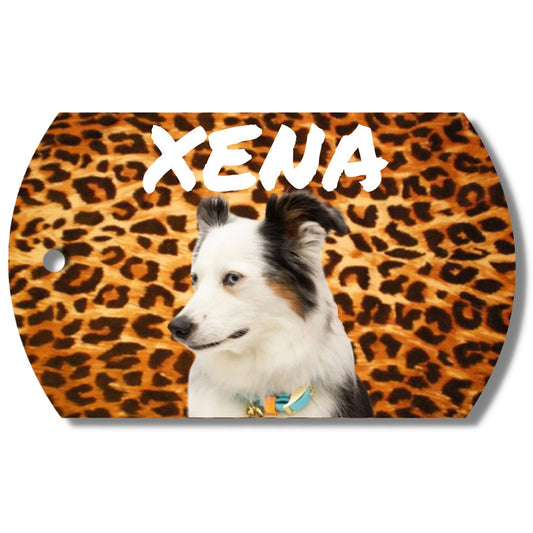
- Halloween bundle: pair pumpkin-shaped biscuits with a seasonal ID tag for a festive, practical gift.
- Friendsgiving for dogs: bake a batch for the dog guests so everyone gets a plate.

Pumpkin Halloween Dog Tag
Personalized with your pet's name · QR code or up to 80 characters on the back
A pet-parent favorite for fall. Match your dog's look to the season while keeping your contact details right where a helpful neighbor can find them.
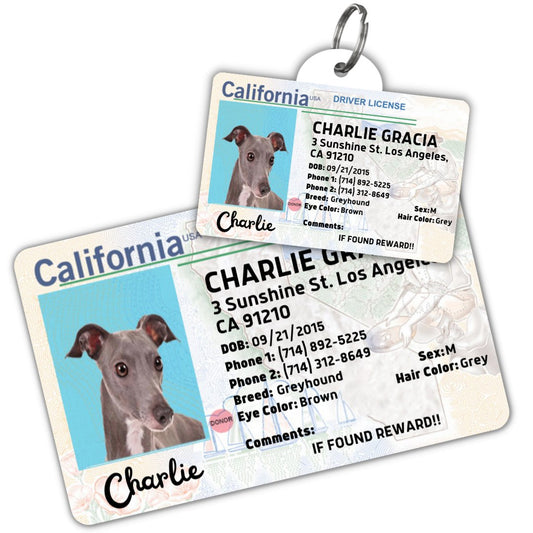
Shop Holiday Dog TagsPet parent tip: Fall is a busy season, with trick-or-treaters, open doors, and more visitors. It's a smart time to double-check that your dog's ID tag has a current phone number, or to add a QR code dog tag that links to a contact profile you can update anytime.
No time to bake this week?
Busy weeks happen. Our minimal-ingredient treats are a simple backup when the oven stays off.

3-Ingredient Peanut Butter Dog Treats
Grain-free · All-natural · 3 ingredients
A short, simple ingredient list with no fillers, for pet parents who like knowing exactly what their dog is eating. Check the product page for the full ingredient list.
Shop Healthy Dog TreatsPumpkin Dog Treats Recipe: Key Takeaways
In short: Use 100% pure pumpkin, never pie filling. Choose xylitol-free peanut butter. Bake at 350°F until firm and dry, and cool completely. Keep treats under 10% of daily calories (about 2 two-inch biscuits for a 30-lb dog). Store crunchy treats up to 5 days on the counter, 2 weeks in the fridge, or 3 months in the freezer.
Frequently Asked Questions
Is pumpkin safe for dogs?
Yes, plain cooked or canned 100% pure pumpkin is safe for most dogs in moderation. Avoid pumpkin pie filling, raw pumpkin, stems, and moldy jack-o'-lanterns, and introduce it slowly.
What is the easiest pumpkin dog treats recipe?
The simplest version uses three ingredients: 1 cup pure pumpkin, 2 eggs, and about 3 cups of oat flour. Mix, roll or scoop, and bake at 350°F for 16 to 20 minutes. For a no-bake option, freeze pumpkin with plain unsweetened yogurt.
Can I use pumpkin pie filling for dog treats?
No. Pumpkin pie filling contains added sugar and spices like nutmeg and cloves, and some brands may contain xylitol. Always choose cans labeled "100% pure pumpkin."
How long do homemade pumpkin dog treats last?
Crunchy treats last up to 5 days in an airtight container at room temperature, up to 2 weeks in the fridge, and up to 3 months in the freezer. Soft treats spoil faster and should be refrigerated.
How many pumpkin dog treats can I give my dog a day?
Keep all treats under 10% of daily calories. As a rough guide, that's about 1 small treat for a 10-lb dog, 2 two-inch treats for a 30-lb dog, and 4 for a 90-lb dog. Ask your vet for a number tailored to your dog.
Do pumpkin dog treats help with diarrhea or constipation?
The fiber in pumpkin can help with mild, occasional stool issues. Treats also contain flour and fat, though, so plain puree is the better choice for tummy troubles. If symptoms last more than a day or two, call your vet.
Can puppies eat pumpkin dog treats?
Many puppies can enjoy a small piece once they're eating solid food comfortably. Break treats into tiny bits, introduce one ingredient at a time, and check with your vet first.
Can I make pumpkin dog treats without flour?
Yes. Blend rolled oats into flour, or make frozen pumpkin yogurt bites that need no flour at all. Dehydrated slices of cooked pumpkin are another single-ingredient option.
Is cinnamon safe in dog treats?
A small pinch of ground cinnamon is generally considered non-toxic for dogs, but it's optional. Never use nutmeg or pumpkin pie spice blends, and skip cinnamon entirely if your dog has a sensitive stomach.
Why did my pumpkin dog treats get moldy?
Mold usually means moisture was left inside. Bake a little longer, dry treats in the cooling oven, let them cool fully before storing, and refrigerate anything you won't use within a few days.
Bake, Share, and Celebrate Your Pet
A homemade pumpkin dog treats recipe is one of the simplest ways to show your dog some love this season. With plain pumpkin, xylitol-free peanut butter, and a little portion math, you get a treat that's wholesome, budget-friendly, and made just for your pet.
Start with the classic crunchy biscuit, try a variation that fits your dog's needs, and keep the serving chart handy. Your dog will be waiting by the oven either way.
Treat season is the perfect time to celebrate your pet. Find a personalized fall ID tag that keeps them looking festive and helps bring them home.
Shop Fall Dog TagsThis article is for general information and isn't a substitute for advice from your veterinarian. Every dog's needs are different, especially dogs with health conditions or special diets.