

How to Clean Dog Tags: The Complete Care Guide
A dirty or tarnished tag is not just unattractive. If the engraving fades, the one thing that helps a stranger get your dog home again becomes harder to read. Here is how to clean dog tags the right way, by material, without wrecking the engraving.
Every dog tag gets dirty. It rides on a collar through mud, rain, saltwater, sweat, and grass, so a little grime is normal. What is not normal is letting that grime sit long enough to dull the shine or eat into the engraving that keeps your pet safe. The good news: cleaning a dog tag properly takes about two minutes and needs almost nothing you don't already have under the sink.
This guide covers the cleaning method for every common dog tag material, the habits that stop tarnish before it starts, and the signs that mean it's time to order a new tag instead of cleaning the old one.
Why a Clean Dog Tag Matters More Than You Think
A dog tag has one job: help a stranger reunite you with your pet quickly. Dirt, grime, and tarnish can dull engraved letters until a phone number is hard to read in poor light or at a glance, which is exactly the moment it matters most. Regular cleaning is a small habit that protects a big responsibility.
There's also a simpler reason to keep it up. A tag that looks cared for looks intentional, personalized, and worth having, instead of a scratched-up afterthought clipped to the collar. For pet parents who chose a tag for its design as much as its function, that matters too.
How to Clean Dog Tags by Material
Not every metal reacts the same way to soap, water, or polish. Matching the method to the material keeps the tag looking new for years instead of scratched after one aggressive cleaning session.
Stainless Steel Tags
Stainless steel is the most forgiving material on a collar. It resists rust and holds up well to warm water, mild dish soap, and a soft cloth or an old toothbrush for the engraved grooves. For deeper tarnish, a paste of baking soda and water applied gently and rinsed off works well without damaging the finish.
Brass and Gold-Toned Tags
Brass has a warm, classic look, but it tarnishes faster than stainless steel because it reacts to air and moisture. A soft cloth with a small amount of brass-safe metal polish, or a DIY paste of baking soda, salt, and a little lemon juice, lifts tarnish without scratching. Always rinse thoroughly and dry completely, since leftover acid from lemon juice can cause new discoloration if left on the surface.
Anodized Aluminum and Colored Tags
Colored or anodized tags have a coating that gives them their finish, so anything abrasive can wear that layer down and dull the color. Stick to a damp, soft cloth with a drop of mild soap, wipe gently, and avoid soaking the tag or scrubbing hard.
Enamel and Printed Photo Tags
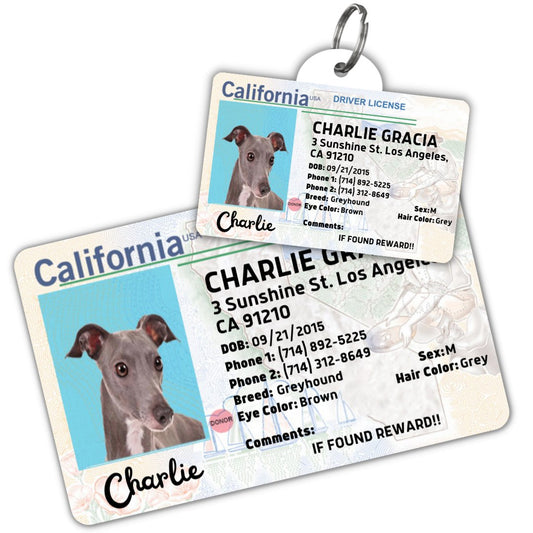
Enamel fill and printed designs sit on the surface of the tag, so they need the gentlest touch of all. A barely damp microfiber cloth is usually enough. Skip soaking, scrubbing pads, and anything with alcohol or ammonia, since these can lift or dull the printed layer over time.
Step-by-Step: The Basic Cleaning Method
This method works for stainless steel, brass, and most engraved tags. It's the routine we'd recommend to any pet parent, regardless of which tag style they chose.
- Remove the tag from the collar or split ring so you can work on it directly.
- Rinse under warm water to loosen surface dirt and debris.
- Add a drop of mild dish soap to a soft cloth or old toothbrush.
- Scrub gently, paying extra attention to the engraved letters where grime tends to collect.
- Rinse again under warm water until no soap residue remains.
- Dry completely with a clean cloth before reattaching the tag to the collar.
Trapped moisture is one of the biggest causes of tarnish, so that last step matters more than people expect.
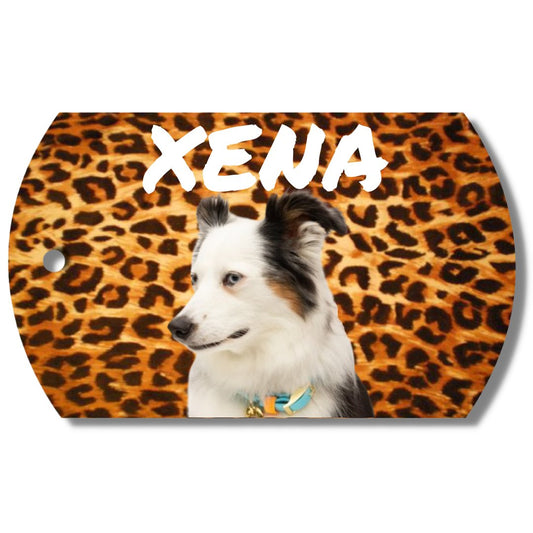
Personalized Engraved Dog Tags
Durable, easy-to-clean materials with crisp, deep engraving made to stay legible for years. Choose a shape, a finish, and your pet's information.
Shop Dog Tags5 Ways to Stop Tarnish and Fading Before It Starts
- Dry the tag after every swim or bath. Chlorine, saltwater, and trapped moisture speed up oxidation more than almost anything else.
- Wipe weekly, deep clean monthly. A quick pass with a soft cloth keeps grime from building into a project.
- Choose a tarnish-resistant material like stainless steel if your dog spends a lot of time outdoors, in water, or in humid climates.
- Store spare tags in a dry spot, away from bathrooms or humid drawers, if you keep a backup on hand.
- Skip harsh chemicals. Bleach, ammonia, and abrasive scouring powders do more damage than the dirt they're meant to remove.
| Material | Tarnish Resistance | Best Cleaner | Typical Lifespan |
|---|---|---|---|
| Stainless steel | High | Mild soap and water | Several years |
| Brass | Low to moderate | Metal polish or baking soda paste | 1 to 3 years with regular care |
| Anodized aluminum | Moderate | Damp soft cloth, mild soap | 2 to 4 years |
| Enamel or printed photo | Moderate (coating can wear) | Barely damp microfiber cloth | 1 to 3 years |
Signs It's Time to Replace, Not Just Clean
Even the best care routine has a limit. It's time to order a new tag instead of reaching for the polish again when you notice:
- Engraved letters that have become shallow, faded, or hard to read even after cleaning
- Cracks, deep scratches, or bent edges that could catch on fur or fabric
- A split ring or attachment point that feels loose or worn
- Outdated contact information after a move or a new phone number
A tag that looks fine from a few feet away but has worn-down engraving is one of the most overlooked pet safety gaps. If in doubt, a quick side-by-side with a new tag usually makes the difference obvious.
Quick answer: To clean a dog tag, remove it from the collar, rinse it under warm water, scrub gently with mild dish soap and a soft cloth or toothbrush, rinse thoroughly, and dry completely before reattaching it. Stainless steel needs the least maintenance, while brass, enamel, and printed tags need gentler products and more frequent care to stay tarnish-free.
Frequently Asked Questions
What is the best way to clean a dog tag?
Warm water with a few drops of mild dish soap and a soft cloth or old toothbrush is the safest method for almost every dog tag material. Rinse well and dry completely before putting the tag back on the collar, since trapped moisture is what speeds up tarnish.
How do you clean a dog tag without ruining the engraving?
Skip anything abrasive, like steel wool, sandpaper, or scouring powder, since it can wear down engraved letters over time. A soft microfiber cloth, mild soap, and gentle circular motions clean dirt without dulling the engraving.
Can you use vinegar to clean a dog tag?
A very diluted vinegar and water solution can help lift stubborn tarnish on stainless steel, but it should be rinsed off right away and never used on brass, enamel, or painted tags, since the acid can dull the coating or discolor the metal.
How often should I clean my dog's tag?
A quick wipe every week and a proper soap-and-water clean once a month keeps most tags readable. Dogs who swim, dig, or spend a lot of time outdoors may need cleaning every couple of weeks instead.
Why does my dog's tag keep turning black or green?
Dark or greenish discoloration is usually oxidation from moisture, sweat, or chlorine reacting with the metal, most common on brass and lower-grade alloys. Drying the tag fully after wet activities and storing it away from humidity slows this down significantly.
Ready for a tag that's built to stay legible? Shop personalized, durable dog tags made for real, everyday adventures.
Shop Personalized Dog Tags