

Dog Treats for Puppies: What's Safe
Dog Treats for Puppies: What's Safe
A practical, vet-informed guide to puppy treats: when to start, how many is too many, which textures protect baby teeth, and the treats and foods that should never make it into your puppy's bowl.

The floor, their eyes lock on your hand, and you reach for a reward. Then the doubt creeps in: is this treat actually okay for a 9-week-old?
You're right to ask. Puppies have baby teeth that crack more easily, tummies that are still adjusting, and growing bodies that need nearly all their calories from a complete puppy food. The wrong treat can mean an upset stomach, a chipped tooth, or worse.
The good news: choosing safe puppy treats isn't complicated once you know what to look for. Below, you'll find a simple four-part test, clear lists of safe and unsafe options, a treat calorie calculator you can do on a napkin, and answers to the questions new pet parents ask us most.
Quick answer: Safe puppy treats are soft, small (about pea-sized), made with a short list of recognizable ingredients, and kept to no more than 10% of your puppy's daily calories. Most puppies can start treats around 8 weeks old, once they're weaned and eating solid food.
- Good picks: soft puppy training treats, pieces of their own kibble, and plain dog-safe foods like carrots, blueberries, or cooked chicken.
- Skip: cooked bones, processed "bone treats," rock-hard chews, jerky, and anything with xylitol, grapes, raisins, chocolate, onion, or garlic.
When Can Puppies Start Having Treats?
Most veterinary sources, including Hill's Pet Nutrition, place the starting line at around 8 weeks old. By then, most puppies are weaned and comfortably eating solid puppy food, which is the real milestone that matters.
Some pet parents prefer to wait until 12 weeks, when structured training classes often begin. Either approach is fine. What matters more is what you offer and how much.
Puppy treat timeline by age
| Age | What's happening | Treat approach |
|---|---|---|
| Under 8 weeks | Weaning; still transitioning to solid food | No treats needed. Focus on mom's milk or puppy food. |
| 8 to 12 weeks | New home, first lessons, sensitive tummy | Tiny, soft treats or pieces of kibble. One new treat at a time. |
| 3 to 6 months | Teething; adult teeth coming in | Soft or chilled options. Avoid anything you can't dent with a fingernail. |
| 6 to 12 months | Adult teeth set, energy high | Wider variety, still sized to the dog. Supervise every chew. |
| 12 months+ (varies by breed) | Transition to adult food | Adult treats are usually fine. Large breeds may stay on puppy food longer; ask your vet. |
Pet parent tip: If your puppy came home with a specific food from the breeder or shelter, keep feeding it for the first week or two before adding new treats. Fewer changes at once makes it much easier to spot what caused a tummy upset.
What Makes a Puppy Treat Safe? The SAFE Test
Standing in the treat aisle (or scrolling online) can feel overwhelming. We use a simple four-letter check. If a treat passes all four, it's a good candidate for your puppy.
S: Size and softness
Puppy teeth are sharp but fragile. PetMD's vet panel suggests a treat should be soft enough to dent with your fingernail. If it won't give, it's too hard for baby teeth.
For size, think pea-sized for small breeds and roughly the size of your smallest fingernail for everyone else. Small pieces keep calories down and reduce choking risk.
A: Age-appropriate
Treats labeled for puppies are usually softer and smaller, and some include extras like DHA, a fatty acid linked to brain and eye development. An adult treat isn't automatically unsafe, but it may be harder, larger, or richer than a young puppy needs.
F: Few, familiar ingredients
A short list of ingredients you recognize makes it easier to spot allergens and avoid surprises. Look for a named protein or whole food near the top of the list.
How to read a puppy treat label
- Ingredient order: ingredients are listed by weight, so the first two or three tell you what the treat mostly is.
- Feeding statement: most treats say "for intermittent or supplemental feeding only." That's normal, and it's your reminder that treats don't replace a complete puppy food.
- Calories: look for kcal per treat or per piece. You'll need this for the 10% rule below.
- Red flags: xylitol (also called birch sugar), heavy added sugars, artificial colors, and vague terms like "meat by-products" with no named source.
- Origin and lot number: keep the bag. If a problem ever comes up, the lot number helps your vet and the FDA trace it.
E: Energy (calories)
Every treat counts toward your puppy's daily calories. The widely used rule from veterinarians is that treats should make up no more than 10% of daily calories, with the other 90% coming from complete and balanced puppy food. We'll do the math in the how many treats section.
Safe Puppy Treat Types
Here's what tends to work well for puppies, from easiest to most "supervise closely."
1. Soft puppy training treats
Small, soft, low-calorie, and easy to break. These are the workhorse of puppy training because they're eaten in a second or two, so your pup stays focused on the lesson.
2. Their own kibble
It's free, it's balanced, and many puppies happily work for it. Set aside part of each meal for training sessions so you're not adding extra calories at all.
3. Soft-baked biscuits, broken small
Soft-baked cookies can be a nice change of pace. Break them into small pieces, and give crunchy biscuits a pass until your puppy's adult teeth are in.
4. Plain, dog-safe whole foods
Small bits of cooked lean meat, certain fruits, and vegetables make great low-cost puppy treats. See the full list below.
5. Simple homemade treats
Homemade treats let you control every ingredient. Keep recipes simple (for example, pumpkin puree, oat flour, and egg), bake them soft, and skip salt, sugar, onion, garlic, and chocolate entirely.
6. Stuffed or frozen puzzle toys
A rubber puzzle toy filled with a spoonful of your puppy's wet food, then frozen, is a treat, a boredom buster, and a teething soother in one. Purina recommends this approach for young puppies.
Dog-Safe Human Foods for Puppies
Many kitchen staples make excellent puppy treats when served plain, cooked where needed, and cut small. Introduce them one at a time.
| Food | How to serve | Good to know |
|---|---|---|
| Carrots | Raw, cooked, or frozen; cut into small coins | Crunchy and low-calorie. Frozen carrot pieces are a teething favorite. |
| Blueberries | Fresh or frozen; halve for tiny breeds | Naturally bite-sized, great for training. |
| Apple | Peeled or unpeeled slices, no core or seeds | Seeds and core should always be removed. |
| Banana | Small slices | Higher in sugar, so keep it occasional. |
| Green beans | Plain, steamed or raw, chopped | No salt, butter, or garlic. |
| Pumpkin | Plain canned puree (not pie filling), a teaspoon | Pie filling has sugar and spices; skip it. |
| Sweet potato | Cooked, plain, mashed or cubed | Never raw. |
| Cooked chicken or turkey | Plain, boneless, skinless, shredded | A high-value reward for tough lessons. No seasoning. |
| Cooked egg | Scrambled or hard-boiled, plain | Always cooked, never raw. |
| Peanut butter | A small lick or smear in a toy | Check that it's xylitol-free and ideally unsalted. Calorie-dense. |
| Plain cheese | Tiny cubes, occasionally | Some dogs don't digest dairy well; watch for loose stool. |
| Watermelon | Seedless, rind removed, small cubes | Hydrating summer treat. |
Puppy Treats and Foods to Avoid
This is the section to bookmark. Some items are toxic, and others are simply too risky for a puppy's teeth or gut.
Toxic foods: never share these
The ASPCA Animal Poison Control Center lists these common foods as harmful to dogs:
- Xylitol (birch sugar): found in some peanut butters, sugar-free gum, candy, baked goods, and vitamins. The FDA notes signs can appear within 10 to 60 minutes.
- Chocolate, coffee, and caffeine
- Grapes and raisins
- Onions, garlic, chives, and leeks (including powders in seasoned foods)
- Macadamia nuts and most other nuts
- Alcohol and raw yeast dough
- Avocado
- Salty snacks like chips and pretzels
Risky treats: skip these for puppies
Cooked bones and processed "bone treats"
Cooked bones can splinter. Store-bought smoked or baked bone treats carry their own risks: the FDA received about 68 reports involving roughly 90 dogs, including about 16 deaths, tied to these products, with problems like choking, blockages, and mouth injuries (Veterinary Practice News).
Jerky treats
Since 2007, the FDA has logged about 5,200 complaints involving more than 6,200 dogs linked to jerky pet treats, with no single root cause identified. For a puppy, it's an easy one to leave on the shelf.
Very hard chews
Antlers, hooves, hard nylon bones, and rock-hard dental chews can fracture teeth. Use the fingernail test, and stick with softer, puppy-labeled chews under supervision.
Rawhide
Rawhide softens into chunks that can be swallowed whole and cause choking or blockages. Many vets suggest safer alternatives for puppies.
Raw and some freeze-dried raw treats
Raw meat can carry bacteria like Salmonella, and a puppy's immune system is still developing. If you're interested in freeze-dried treats, ask your vet whether a cooked or treated option fits your puppy.
Fatty table scraps
Ham, sausage, fried food, trimmed fat, and gravy can trigger vomiting, diarrhea, or pancreatitis. They also teach begging at the table.
Pet parent tip: Even safe chews like bully sticks are calorie-dense and should always be supervised. Take it away once it's small enough to swallow whole.
How Many Treats Can a Puppy Have a Day?
A puppy can have treats totaling no more than 10% of their daily calories. The exact number of treats depends on your puppy's calorie needs and how many calories each treat contains.
The napkin math (3 steps)
- Find daily calories. Check your puppy food's feeding chart or ask your vet. Needs change quickly as puppies grow.
- Take 10%. If your puppy needs 400 calories a day, the treat budget is 40 calories.
- Divide by calories per treat. At 3 calories per training treat, that's about 13 treats a day.
| Daily calories | 10% treat budget | At 2 kcal/treat | At 5 kcal/treat |
|---|---|---|---|
| 200 kcal | 20 kcal | About 10 treats | About 4 treats |
| 400 kcal | 40 kcal | About 20 treats | About 8 treats |
| 800 kcal | 80 kcal | About 40 treats | About 16 treats |
| 1,200 kcal | 120 kcal | About 60 treats | About 24 treats |
Why does this matter so much? Habits start early. In the Association for Pet Obesity Prevention's 2024 survey, 35% of dog owners said their dog was overweight or had obesity. Staying inside the 10% line from puppyhood makes a healthy weight much easier later.
Safe Puppy Teething Treats
Puppies usually start losing baby teeth around 3 to 4 months, and most have their adult teeth by about 6 months. During that stretch, chewing is a need, not a naughty habit.
- Frozen carrot pieces: cold, crunchy, and low-calorie. Size them so they can't be swallowed whole.
- Frozen puzzle toy: stuff a rubber toy with wet puppy food or plain pumpkin and freeze it.
- Puppy-labeled soft chews: designed to give under baby teeth.
- Chilled, damp washcloth: not a treat, but soothing for sore gums (always supervised).
Skip ice cubes for small puppies if your vet advises against them, and pass on anything hard enough to hurt if you tapped it on your own knee.
How to Use Puppy Treats for Training
Treats are the fastest way to show a puppy "yes, that!" Used well, they build good manners and a strong bond.
The 3-level reward system
- Everyday (low value): kibble for easy, familiar cues at home.
- Middle value: soft training treats or carrot bits for new cues or mild distractions.
- Jackpot (high value): tiny pieces of plain cooked chicken for recall, the vet's office, or busy parks.
Training tips that make treats work harder
- Reward within a second or two of the behavior so your puppy connects the two.
- Keep sessions short, about 5 minutes, a few times a day.
- Reward calm, not cute. Treat the sit, not the jumping or whining.
- Fade treats gradually. Once a cue is solid, reward every other time, then occasionally, mixing in praise and play.
- Train before meals, when your puppy is a little more motivated.
How to Introduce a New Treat Safely
- Pick one new treat at a time. Never introduce two at once.
- Start with one or two small pieces on day one.
- Increase slowly over about five days, staying inside the 10% budget.
- Watch for 24 to 48 hours for vomiting, diarrhea, gas, itchy skin, or ear scratching.
- Stop and call your vet if you see anything concerning, and keep the bag and lot number.
Example scenario: a first-week treat plan
Here's how this might look in practice for a hypothetical 10-week-old, 12-pound Labrador puppy we'll call Maple.
- Days 1 to 3: Maple trains with pieces of her regular kibble only, set aside from breakfast and dinner.
- Day 4: Her pet parent adds two pieces of a soft puppy training treat. No tummy trouble.
- Days 5 to 7: Training treats increase to about 8 a day, while dinner is trimmed slightly so total calories stay steady.
- Week 2: Plain cooked chicken becomes Maple's "jackpot" reward for recall practice in the yard.
The takeaway: one change at a time, small amounts, and meals adjusted so treats don't pile on extra calories.
Puppy Treat Types Compared
| Treat type | Texture | Good from | Calories | Puppy verdict |
|---|---|---|---|---|
| Soft training treats | Soft | About 8 weeks | Low | Great everyday pick |
| Kibble from meals | Firm but small | About 8 weeks | No extra | Great, zero added calories |
| Plain fruits and veggies | Varies | About 8 weeks | Very low | Great, cut small |
| Plain cooked lean meat | Soft | About 8 weeks | Moderate | Great high-value reward |
| Soft-baked biscuits | Soft | About 8 to 12 weeks | Moderate | Good, break into pieces |
| Crunchy biscuits | Hard | After adult teeth | Moderate | Wait |
| Bully sticks | Firm, softens | Ask your vet | High | Occasional, supervised only |
| Freeze-dried raw | Crumbly | Ask your vet | Varies | Use caution |
| Rawhide | Hard, then gummy | Not recommended | Moderate | Skip |
| Jerky treats | Chewy | Not recommended | Moderate | Skip |
| Cooked or processed bones | Hard, splinters | Never | Varies | Skip |
Puppy Treat Safety Checklist
Before any new treat goes to your puppy, run through these seven checks:
- Soft enough to dent with a fingernail
- Pea-sized or smaller for your puppy's size
- Short, recognizable ingredient list
- No xylitol, chocolate, grapes, raisins, onion, or garlic
- Calories per treat known and within the 10% budget
- Introduced alone, in small amounts
- Given under supervision, especially chews
7 Common Puppy Treat Mistakes to Avoid
- Treating without counting. Family members each handing out "just one" adds up fast. Keep a daily treat jar.
- Giving adult chews too early. Hard chews can crack baby teeth.
- Using big treats for training. A 20-minute session can turn into a second dinner.
- Sharing from your plate. Seasonings, fat, and toxic ingredients hide in human food.
- Trying several new treats at once. If a tummy gets upset, you won't know why.
- Leaving chews unsupervised. Choking can happen quickly.
- Forgetting to check peanut butter labels. Always confirm there's no xylitol or birch sugar.
Treats and Safety Gear From PawFurEver
Our small treat range is built around minimal ingredients and no fillers. Our 3-Ingredient Peanut Butter Dog Treats are grain-free and all-natural, and we also offer Wholesome Cheese & Bacon Dog Treats and a combo with both flavors.
For puppies, we recommend the same approach you'd use with any dog treat: check the full ingredient list and calories on the product page, break treats into pea-sized pieces, and ask your vet before offering them to a very young puppy or one with food sensitivities.
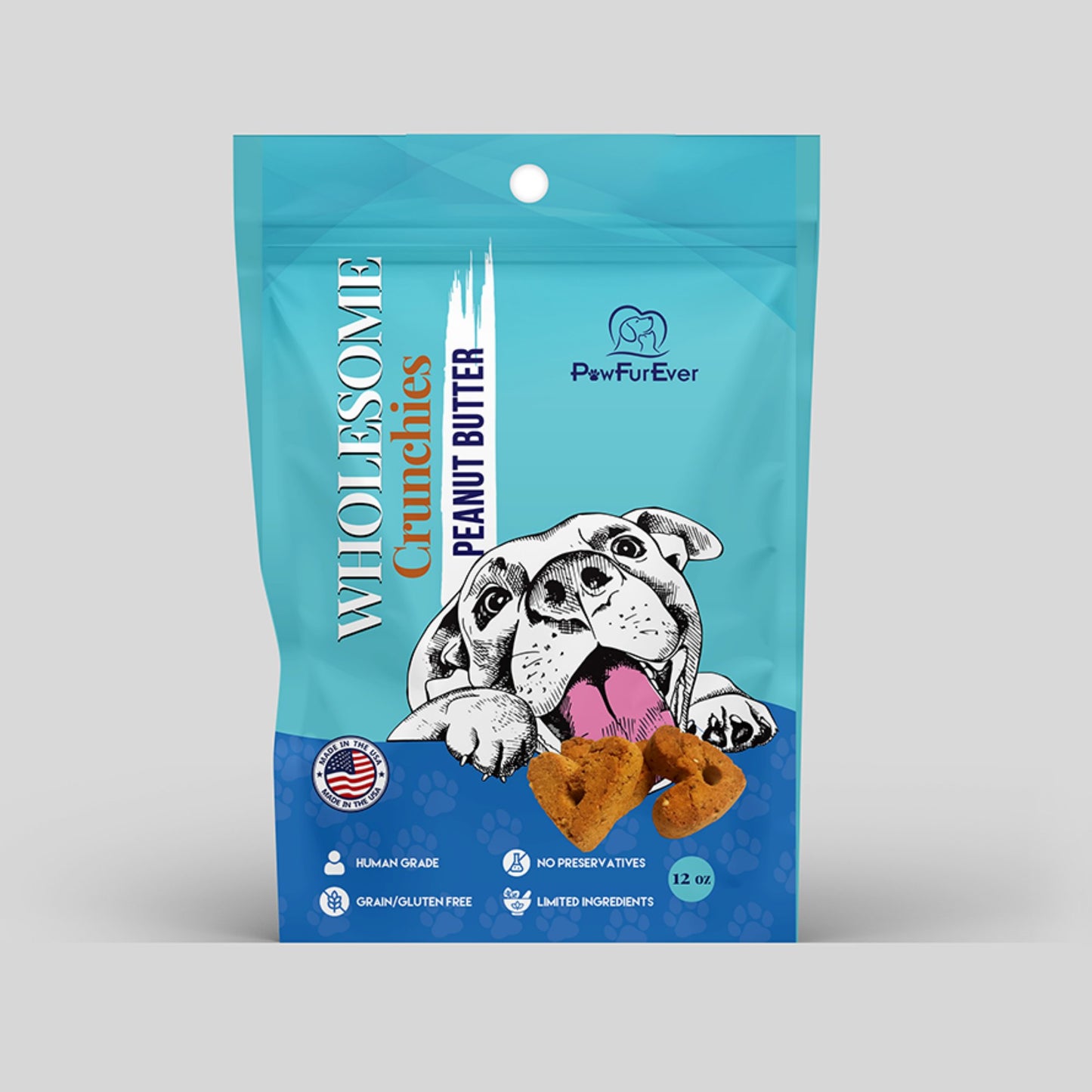
3-Ingredient Peanut Butter Dog Treats
Grain-free • All-natural • 3 ingredients
A short, simple ingredient list that's easy to check. Break into small pieces for training.
Shop Dog TreatsWhile you're building the new-puppy kit
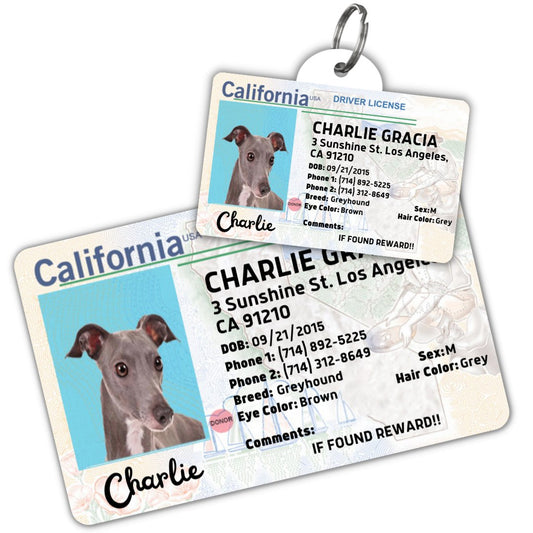
Treats teach your puppy to come back to you. An ID tag helps them get back to you if they ever slip out the door. Our QR code dog tags are solid stainless steel, 30 mm across, and light enough for puppies and small breeds. Anyone who finds your pup can scan the tag with a smartphone camera, no app needed, to see your contact profile.

QR Code Dog Tags
Stainless steel • 3-tone engraving • Gold or Rose Gold
Your puppy's name on the front, a laser-etched QR code on the back, and a 20 mm split ring included.
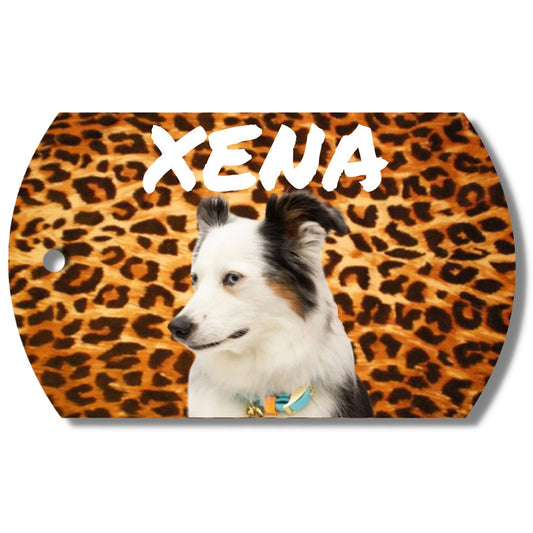
Shop QR TagsCelebrating a gotcha day or first birthday? Our Birth Flower dog tags pair a birth-month flower with your pup's name, a sweet keepsake to mark the milestone.
What to Do If Your Puppy Eats Something Unsafe
- Stay calm and remove any remaining food from your puppy's reach.
- Note what, how much, and when. Keep the packaging.
- Call your vet or an emergency clinic right away. Don't wait for symptoms.
- Or call a poison hotline: ASPCA Animal Poison Control at (888) 426-4435 or Pet Poison Helpline at (855) 764-7661. A consultation fee may apply.
- Don't induce vomiting unless a veterinarian tells you to.
Puppy Treats FAQ
At what age can puppies have treats?
Most puppies can start treats around 8 weeks old, once they're weaned and eating solid puppy food. Start with tiny, soft pieces and introduce one new treat at a time.
Can I give my puppy adult dog treats?
Sometimes, but puppy treats are usually a better fit. Adult treats can be harder, larger, and higher in calories. If you use one, make sure it passes the fingernail test and break it into pea-sized pieces.
How many treats can a puppy have a day?
Treats should make up no more than 10% of your puppy's daily calories. For a puppy eating 400 calories a day, that's 40 calories of treats, or about 13 treats at 3 calories each.
What human foods are safe for puppies?
Plain carrots, blueberries, green beans, seedless apple slices, plain pumpkin puree, cooked sweet potato, cooked egg, and plain cooked chicken or turkey are safe for most puppies in small amounts. Avoid seasoning, salt, and butter.
Is peanut butter safe for puppies?
Plain peanut butter is generally safe in small amounts if it contains no xylitol, also called birch sugar. It's calorie-dense, so a small lick or a thin smear inside a toy is plenty.
Are rawhides safe for puppies?
Rawhide isn't recommended for puppies. It softens into chunks that can be swallowed and cause choking or blockages. Softer, puppy-labeled chews or a frozen stuffed toy are safer choices.
Can puppies have bully sticks?
Some vets allow bully sticks for older puppies with supervision, but they're high in calories. Ask your vet first, supervise every session, and take the stick away when it gets small enough to swallow.
What treats are good for teething puppies?
Cold, soft, or gently textured options work well: frozen carrot pieces, a rubber toy stuffed with wet puppy food and frozen, or puppy-labeled soft chews. Avoid antlers, hooves, and hard nylon bones.
Can treats upset my puppy's stomach?
Yes. New treats, rich foods, or too many treats can cause vomiting, diarrhea, or gas. Introduce new treats slowly over about five days and call your vet if symptoms last more than a day or seem severe.
Are grain-free treats better for puppies?
Not necessarily. Grain-free treats can be helpful for puppies with a diagnosed grain sensitivity, but most puppies do fine with grains. Focus on a short ingredient list and the right size and texture.
Key takeaways
- Start treats around 8 weeks, once your puppy is eating solid food.
- Use the SAFE test: Size and softness, Age-appropriate, Few ingredients, Energy (calories).
- Keep treats under 10% of daily calories; kibble counts as a zero-extra-calorie reward.
- Skip cooked or processed bones, rawhide, jerky, very hard chews, and toxic foods.
- Introduce one treat at a time and keep your vet in the loop.
Set your new puppy up for a safe, happy start
Pair simple, minimal-ingredient treats with a personalized ID tag made just for your pet, for everyday rewards and peace of mind on every adventure.
Shop Treats Shop QR Tags