

Dog Halloween Costume Safety: Why Your Dog Still Needs ID
A costume can turn your dog into the star of the block. Here is everything that keeps them safe while they do it, including the one detail most costume guides skip entirely.
 In This Article
Every October, millions of dogs trade their everyday collar for a pumpkin suit, a hot dog costume, or a tiny superhero cape, and the internet is better for it. A dog Halloween costume is one of the most photographed moments of a pet parent's year.
But Halloween is also the single most chaotic night of the year for a dog's routine. Strangers keep knocking. The front door keeps opening. Costumes shift, tempt little teeth, and sometimes hide the collar entirely. Most safety guides stop at "make sure the costume fits." We're going further, because fit is only half of what keeps a costumed dog safe if the front door swings open at the wrong moment.
Is It Safe for Dogs to Wear Halloween Costumes?
Generally, yes, as long as the costume fits properly, allows full movement, and your dog isn't showing signs of stress. Veterinarians agree a costume should never restrict a dog's ability to walk, breathe, see, hear, or bark.
Not every dog needs to love the idea, either. Some pups are happy to pose for five minutes and be done. Others genuinely enjoy the extra attention all night. If your dog has never worn clothing before, Halloween is not the night to find out how they feel about it for the first time.
7 Costume Safety Rules Every Vet Recommends
These are the checks worth running through before your dog wears anything, whether it's a $12 bandana or a full-body costume.
- Check the fit first. You should be able to slip two fingers between the costume and your dog's body, especially around the neck, legs, and belly.
- Protect their senses. Avoid anything that covers the eyes, blocks the ears, or muzzles the mouth. A dog that can't see or hear clearly is a stressed dog.
- Skip the small stuff. Buttons, sequins, bells, and other detachable pieces are choking hazards and can cause an intestinal blockage if swallowed.
- Watch the material. Glitter, fabric dye, and cheap costume paint can irritate skin or cause a stomach upset if chewed or licked.
- Do a trial run. Put the costume on a few days before Halloween, not for the first time as guests arrive.
- Mind the temperature. A full-body costume adds heat fast. Limit wear time indoors at a party and skip layered costumes on a warm night.
- Never leave them dressed and unattended. Costumes can snag on furniture, fences, or stairs. Supervision is part of the safety plan, not an extra step.
How to Tell If Your Dog Actually Hates the Costume
Dogs are polite about a lot of things, but a costume they hate usually shows up in their body language within the first minute or two. Watch for:
- The whites of the eyes showing more than usual
- Ears pinned back or held unusually low
- A tucked tail or a lowered, hunched body
- Freezing in place, or repeatedly trying to bite or paw at the costume
- Excessive panting that isn't related to heat or activity
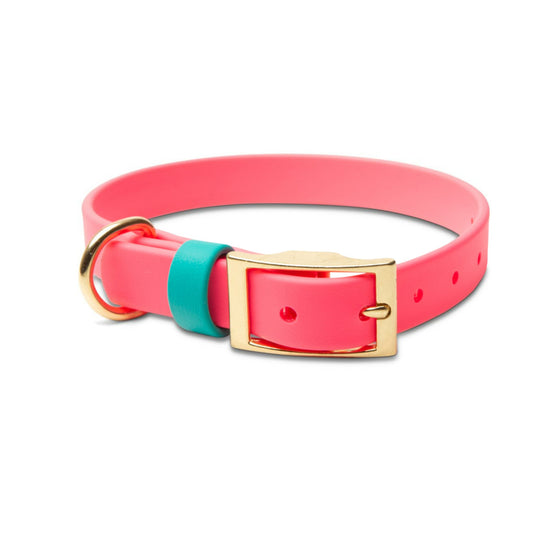
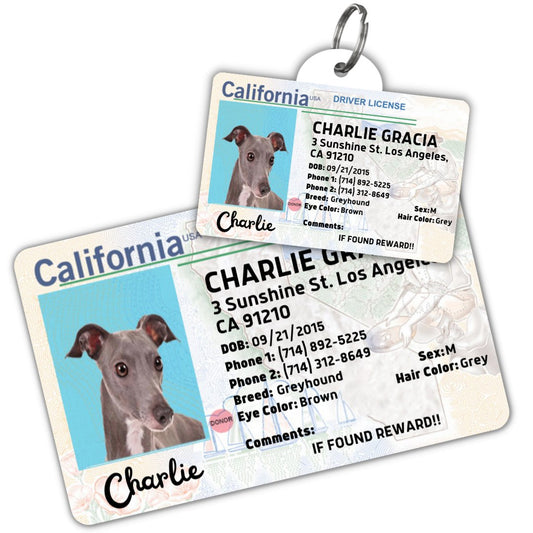
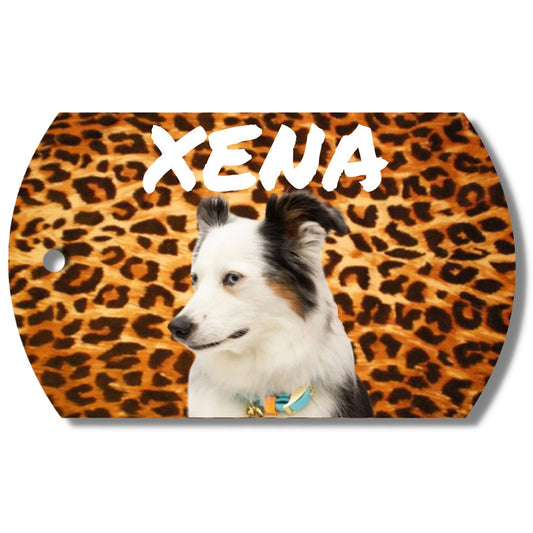
If you see any of these, take the costume off. A bandana, a Halloween-themed collar, or simply an adorable personalized tag can let your dog join the festivities without the stress of full-body dress-up.
Halloween Hazards That Have Nothing to Do With the Costume
The costume itself is often the smaller risk. The rest of Halloween night brings its own hazard list, and it's worth knowing before the doorbell starts ringing.
- Chocolate and xylitol. Both are toxic to dogs, and sugar-free candy is one of the most common sources of xylitol poisoning during the holiday.
- Candy wrappers. Foil and cellophane can irritate the digestive tract or become lodged in the throat if swallowed whole.
- Raisins. A popular "healthier" trick-or-treat swap for kids, but they're dangerous for dogs and linked to kidney failure.
- Decorations. Candles, fake spiderwebs, and glow sticks are all chewable temptations that can cause burns or stomach upset.
- Stranger overload. A steady stream of costumed visitors at the door is stressful even for social dogs. A separate, quiet room with a favorite chew or puzzle toy helps.
- The open door itself. This is the moment most bolting incidents happen, and it's exactly why the next section matters as much as the costume does.
Why Your Dog Still Needs ID on Halloween Night
Here's the part most costume guides leave out entirely. A costumed dog is still a dog who can slip out an open door, and Halloween creates more open-door moments than almost any other night of the year.
Think through what actually happens at your front door on October 31st. It opens and closes dozens of times. Kids in costume rush up the walkway. Your dog, already a little on edge from the noise and the strange outfits, is standing right there. It only takes one slipped collar or one dash past someone's legs.
A costume doesn't help anyone find your dog. Identification does. And it's worth checking now, before the night gets busy, whether your dog's tag is even visible. Full-body costumes and thick collars underneath them can hide a tag completely, or the tag itself may be scratched, outdated, or missing.
This is not about fear. It's about a two-minute check that removes one more variable from an already chaotic night. A legible, up-to-date, easy-to-spot ID tag is the simplest thing that helps bring a dog home fast if the unexpected happens, costume or no costume.
Collar Tag vs. QR Tag vs. Microchip
Most pet parents use more than one of these, and that's the right approach. Here's how they actually compare for a night like Halloween.
| ID Type | How It Works | Instantly Readable? | Easy to Update | Best For |
|---|---|---|---|---|
| Engraved tag | Phone number and details stamped directly on the tag | Yes, by anyone who finds your dog | No, requires a new tag | Fast, no-app-needed identification |
| QR-enabled tag | A scannable code links to your pet's profile and your contact info | Yes, with any smartphone camera | Yes, update details anytime online | Keeping contact info current without buying a new tag |
| Microchip | A chip implanted under the skin, scanned by a vet or shelter | No, requires a scanner | Yes, update the registry online | Permanent backup ID if the collar comes off entirely |
A microchip is a permanent safety net, but it only helps once your dog reaches a vet or shelter with a scanner. A visible tag is what helps a neighbor, a trick-or-treater, or anyone on the sidewalk get your dog back to you directly, often within minutes.
Building a Halloween-Ready Pet ID Kit
Before the costume goes on, run this quick check: is the tag legible, is it actually attached, and is it visible above or beside the costume rather than buried underneath it? If you're due for a new tag, Halloween is a genuinely good excuse to get one.
QR-Enabled Pet ID Tags

Personalized, dependable, and easy to keep current
A durable, personalized tag with a scannable QR code that links to your dog's profile and your contact details, so it's simple to spot and simple to update all season long.
Shop QR Pet ID TagsQuick Halloween Pet Safety Checklist
Before your dog wears a costume this Halloween: confirm the fit allows full movement and breathing, remove small or dangling pieces, do a trial run a few days early, keep candy and wrappers out of reach, never leave a costumed dog unsupervised, and double-check that their ID tag is visible, legible, and up to date. Costume optional, ID essential.
Frequently Asked Questions
Is it safe to put a costume on my dog?
Yes, as long as the costume fits properly, doesn't restrict movement, breathing, vision, or hearing, and your dog isn't showing signs of stress. Always supervise a costumed dog and never leave them dressed up alone.
What Halloween hazards are dogs most at risk from?
Chocolate, sugar-free candy containing xylitol, candy wrappers, raisins, and small costume pieces like buttons or sequins are the most common Halloween hazards for dogs. Decorations such as candles and glow sticks are also worth keeping out of reach.
How do I know if my dog hates their costume?
Watch for the whites of the eyes showing more than usual, ears pinned back, a tucked tail, freezing in place, or repeated attempts to bite or paw at the costume. Any of these means it's time to remove the costume.
Does my dog still need ID if they're wearing a costume?
Yes. A costume doesn't identify your dog if they slip out during Halloween's constant door traffic, and it can even hide a collar tag underneath it. A visible, legible, up-to-date ID tag matters just as much on Halloween as any other day, if not more.
What's the difference between a QR tag and a microchip?
A QR tag is scanned instantly by anyone with a smartphone and links to your contact details, which you can update anytime. A microchip is implanted permanently under the skin and requires a vet or shelter scanner to read, making it a strong permanent backup rather than an instant, visible form of ID.
Can a costume cover up my dog's collar tag?
It can. Full-body costumes and costumes with high collars or bulky fabric around the neck can hide a tag completely. It's worth checking that the tag is still visible, or attaching it somewhere it stays in view, once the costume is on.
Give your dog's costume the finishing touch that actually matters. A personalized, scannable ID tag from PawFurEver keeps their information current all season, costume or not.
Shop Personalized Pet ID Tags