

Do Dogs Really Need Multiple Collars? A Guide for Pet Parents
How many collars a dog actually needs, the six types worth owning, and the safety rules that matter more than the count itself.
In this guide
A collar looks like a simple accessory until the day it isn't there: worn through, still drying from the wash, or left at home right before a walk. That's usually the moment pet parents start asking whether one collar was ever really enough.
The short answer is that most dogs benefit from more than one collar, not as an indulgence, but as a practical way to cover identification, activity, hygiene, and the occasional special occasion without leaving any gap in your dog's safety. This guide walks through exactly how many collars make sense, the six types worth knowing about, and the safety rules that matter more than the count itself.
Quick answer: Yes, most dogs benefit from at least two collars: a daily ID collar and a backup. Many pet parents also keep a waterproof or washable collar for activity and mess, and add a training or seasonal collar as needed. The number matters less than making sure every collar in rotation fits correctly and carries current, legible ID.
Why One Collar Isn't Always Enough
An everyday collar carries a lot of responsibility. It holds your dog's ID tag, sometimes a license, and it's the thing a stranger reaches for if your dog ever gets loose. That's exactly why it shouldn't also be the collar that goes swimming, gets muddy on a trail, or takes a beating during a training session.
Different situations put different demands on a collar: moisture resistance for swimming, easy cleaning for muddy walks, extra control for leash training, or just something festive for a holiday photo. A single collar can rarely do all of that well without wearing out faster or losing its usefulness for the one job that matters most: keeping your dog identifiable.
How Many Collars Should a Dog Have?
There's no single rule, but here's a practical baseline pet parents can build from:
- Minimum: two. One everyday ID collar, worn daily, and one backup in case it's lost, damaged, or in the wash.
- Comfortable: three. Add a waterproof or washable collar for activity, mud, and general mess so the ID collar stays clean and in good shape.
- Well-rounded: four or more. Add a training collar for structured sessions and a seasonal or fashion collar for holidays, photos, and special occasions.
Puppies are the one group who need collars more often than this guide suggests, simply because they outgrow each one within weeks. Budget-friendly, quickly adjustable options make more sense than a premium collar during that growth stage.
Types of Dog Collars and What Each One Is For
Here's how the most common collar types compare, so you can decide which ones actually earn a spot in your dog's rotation.
| Collar Type | Best For | Key Feature |
|---|---|---|
| Everyday ID collar | Daily wear, identification | Holds ID tag and license, lightweight, comfortable for constant wear |
| Waterproof collar | Swimming, hiking, wet weather | Resists odor and moisture, wipes clean, holds up outdoors |
| Washable collar | Everyday mess, sensitive skin | Machine or hand washable, reduces bacteria buildup |
| Training collar (martingale, head collar, harness-combo) | Structured training sessions | Gives extra control, not intended for all-day wear |
| Fashion or seasonal collar | Holidays, photos, celebrations | Personality and style, not a daily-wear replacement |
| Backup collar | Emergencies and travel | Matches the everyday collar's ID setup, ready at a moment's notice |
The Everyday ID Collar
This is the one that matters most. It should carry a secure, legible ID tag with your dog's name and your contact information, plus a license if your area requires one. Because it's worn constantly, it takes the most wear, which is exactly why a backup is worth having.
Waterproof and Washable Collars
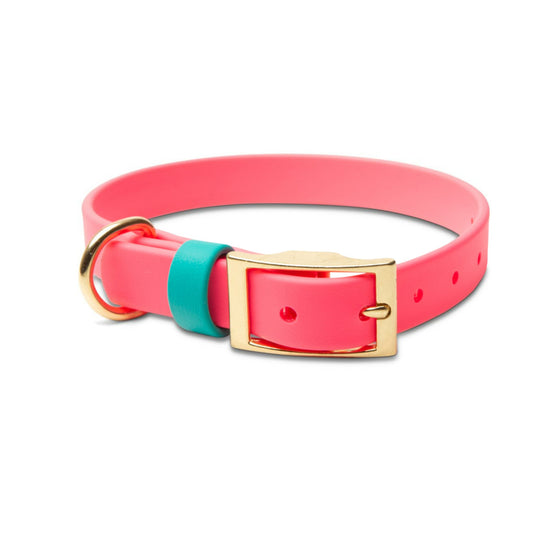
If your dog swims, hikes, or just enjoys a good mud puddle, a waterproof collar resists the odor and buildup that fabric collars tend to hold onto. Even for dogs that skip the swimming, a washable collar keeps things hygienic between baths and reduces the risk of skin irritation from a dirty collar sitting against fur.
 Waterproof Dog Collars
Built to handle swims, mud, and everyday mess
Odor- and moisture-resistant, easy to wipe clean, made for daily wear through real dog life.
Shop CollarsTraining Collars
Martingale collars, head collars, and harness-collar combinations are tools for specific sessions, not everyday wear. They give handlers more control while a dog is learning leash manners, but leaving one on all day can create unnecessary pressure or irritation.
Fashion and Seasonal Collars
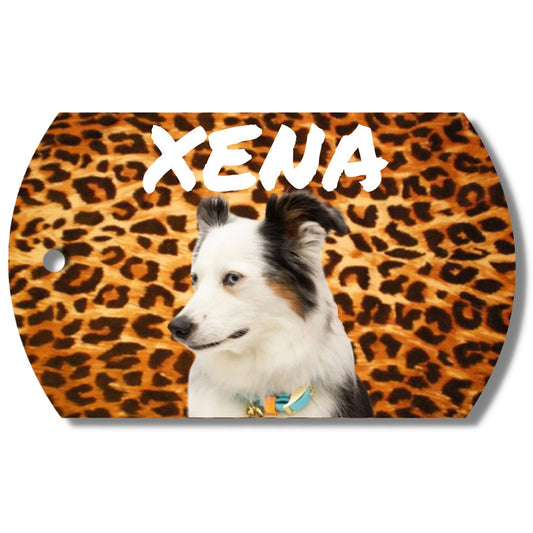
These are the collars that don't need to justify themselves with practicality. A holiday design, a color-matched set, or a personalized collar for a birthday photo is simply part of celebrating your dog. They're a nice way to mark milestones without asking one collar to do everything.
Safety Rules for Rotating Multiple Collars
Owning several collars only helps if each one fits and is used the right way. A few rules make the difference between a helpful rotation and a mismatched one.
Get the Fit Right
The American Kennel Club recommends the two-finger rule: you should be able to slip two fingers between the collar and your dog's neck, snug but not tight.[1] Puppies especially need frequent rechecks since they grow quickly, and a collar that fit last month may already be too snug.
Match Material to Activity
A soft, lightweight material suits daily wear. A waterproof material suits water and trail time. Skip anything with rough edges or stitching that could irritate skin, especially for dogs with sensitivities.
Rotate to Reduce Wear
Buckles and clasps weaken with constant use. Rotating collars, even just between an everyday collar and a backup, extends the life of each one and keeps a clean option available while another is being washed.
Don't Leave Training Collars on All Day
Training tools are meant for supervised sessions. Leaving a martingale, head collar, or similar tool on outside of training can cause discomfort your dog doesn't need to carry around.
Multiple Dogs, Multiple Collars: What Changes
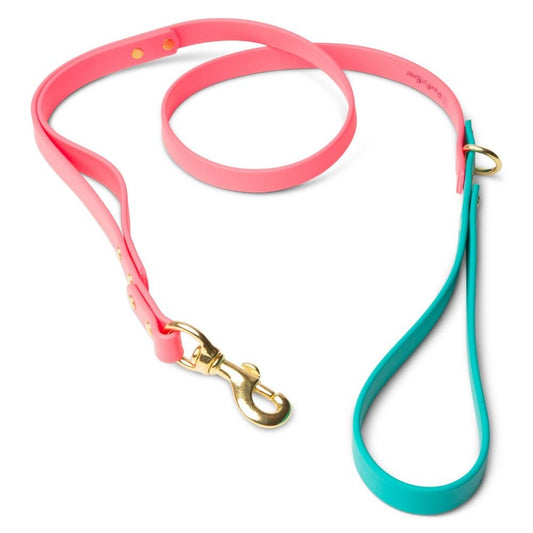
In a multi-pet household, each dog needs their own properly sized collar with their own ID information; sharing a collar between dogs isn't a safe shortcut. Color-coding collars by dog can help at a glance, especially if breeds or coat colors are similar, and it makes grabbing the right leash at the door a lot faster.
Building a Collar Rotation That Actually Works
Instead of buying collars one at a time as problems come up, it helps to think through your dog's week:
- Does your dog wear a collar indoors and outdoors, or only for walks?
- How often does your dog swim, hike, or get muddy?
- Is your dog still growing, or fully grown?
- Do you attend training classes or work on leash manners at home?
- Are there upcoming holidays, photos, or events worth a themed collar?
Answering these usually points to two or three collars that genuinely earn their place, rather than a drawer full of options that rarely get used.
Choosing Collars That Last
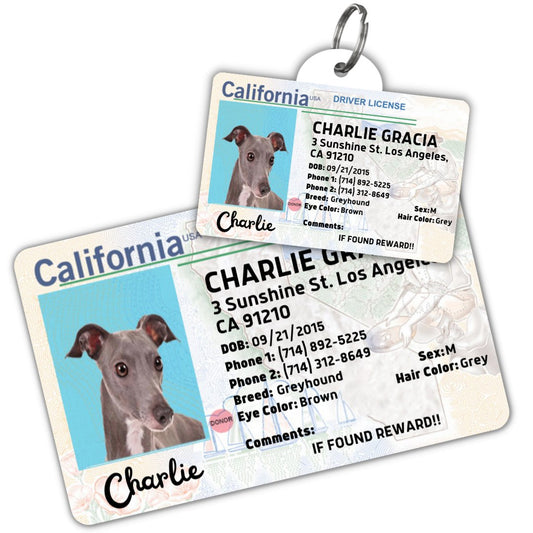
Whichever collars you choose, durability and a secure, legible ID tag matter more than the total count. A dependable everyday collar paired with a clearly engraved dog ID tag gives your dog's information the best chance of staying readable for years, not just months.

Personalized Dog Tags
Clearly engraved, built to pair with any collar in rotation
Keeps your dog's contact information legible and current no matter which collar is on duty that day.
Shop Dog TagsFAQ: Do Dogs Need Multiple Collars?
How many collars should a dog have?
Most dogs do well with at least two: a daily ID collar and a backup. Many pet parents add a third for water or trail activity, and a fourth for training or special occasions.
Is it bad to change a dog's collar often?
No. Swapping collars for the right activity isn't confusing for dogs and doesn't weaken the bond with the collar. What matters is that the collar in use fits well and carries current ID information.
Should a dog wear a collar all the time?
A well-fitted ID collar can be worn continuously for safety, though many pet parents remove training collars, festive collars, and other situational collars when they aren't needed.
Can two dogs share the same collar?
No. Each dog needs their own properly sized, properly fitted collar with their own ID information, even in a multi-dog household.
Do I need a waterproof collar if my dog doesn't swim?
It's optional, but a waterproof or washable collar is still useful for muddy walks, rainy days, and everyday odor and dirt, even for dogs that never swim.
The Bottom Line
Yes, most dogs benefit from more than one collar, but the goal isn't to collect them. It's to make sure your dog always has a well-fitted, clearly identified collar ready for whatever the day brings, whether that's a walk around the block, a swim at the lake, or a training session at the park.
Ready to build your dog's collar rotation? Explore PawFurEver's waterproof dog collars and pair one with a personalized, engraved ID tag so your dog is covered for every activity and always easy to identify.
Shop CollarsSources: [1] American Kennel Club, "Finding and Choosing the Right Dog Collar for Your Dog."