

Why Stainless Steel Personalized Dog Tags Are the Only ID Tag Your Dog Will Ever Need
Your dog dashes out the gate. Your heart drops. In that split second, the one thing standing between a happy reunion and hours of panic is a small piece of metal hanging from your dog's collar. That tiny tag carries your phone number, your dog's name, and your best shot at getting your pup back home safely.
But not all dog tags are built the same. Cheap tags rust after a rainy walk. Plastic ones crack after months in the sun. Stamped aluminum tags wear down until the engraving becomes unreadable. If you are serious about your dog's safety, stainless steel personalized dog tags are the only option worth considering.
In this guide, we break down everything you need to know about choosing the right stainless steel personalized dog tags, what makes them superior to other materials, what information to engrave, and how to find one that lasts the lifetime of your dog.
What Makes Stainless Steel the Best Material for Dog Tags?
When you are choosing a metal dog ID tag, the material is everything. Stainless steel sits at the top of the list for several practical reasons that go far beyond aesthetics.
Rust-Proof Performance in Any Weather
Dogs swim. Dogs play in the rain. Dogs roll in mud. A rust-proof dog tag made from stainless steel handles all of this without developing the orange oxidation that makes cheaper metals unreadable and unhygienic. The chromium content in stainless steel forms a passive oxide layer that naturally resists corrosion, meaning the tag stays clean, shiny, and readable no matter what your dog gets into.
Scratch-Resistant Surface That Stays Legible
One of the biggest failure points in cheap dog tags is surface wear. A scratch-resistant engraved pet tag made from stainless steel holds up against the daily banging, scratching, and dragging that comes with an active dog's life. Whether your dog is a trail-running Vizsla or a backyard-digging Beagle, the engraving stays sharp and clear for years.
Heavy-Duty Build for Active Dogs
Heavy-duty dog ID tags made from stainless steel are thicker and more resistant to bending or snapping than aluminum or zinc alloy tags. For large breeds, working dogs, or dogs that spend most of their time outdoors, this structural strength matters. The last thing you want is a tag that gets bent out of shape on the first hike.
Laser Engraving vs Stamping: Why the Method Matters
Not all engraving is created equal. When you see the term laser-engraved steel tags, it refers to a specific technology that burns information into the surface of the metal at a molecular level rather than pressing it in mechanically.
Stamped tags, common in pet store kiosks, use a machine to press letters into aluminum. Over time, these letters fill with grime, flatten out, and become difficult to read. Laser engraving produces deep, precise characters that do not wear away. The contrast between the engraved area and the metal surface stays crisp even after years of exposure.
For a long-lasting dog tag, laser engraving on stainless steel is the clear winner. It allows for smaller, more detailed text, which means you can fit more information without cramming characters together and making them hard to read.
At PawFurEver, every tag in the engraved tags collection uses precision laser engraving to ensure your contact information remains readable for the lifetime of the tag.
What Information Should You Put on Your Dog's Tag?

This is where most dog owners underestimate the tag. A stainless steel personalized dog tag with a phone number is the single fastest way to reunite a lost dog with their owner. Here is what to include and how to prioritize the space.
The Essentials
-
Your dog's name, so a finder knows what to call them and can help calm the dog
-
Your primary phone number, the most important piece of information on the tag
-
A secondary phone number if space allows, useful when the primary is unavailable
-
Your city or neighborhood, helpful for dogs found far from home
Optional but Useful Information
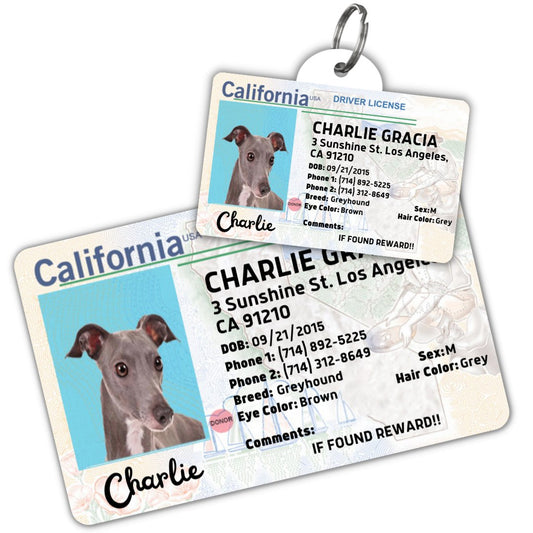
If your dog is microchipped, a note saying "I am microchipped" alerts a vet or shelter to scan immediately. If your dog takes medication, a brief note like "needs medication" can be lifesaving. Some owners also engrave a short message like "reward if found" to motivate a finder to make that call.
Keep the engraving clean and legible. Trying to fit too much information risks making the text too small to read quickly. A phone number and a name are enough to get your dog home.
Weatherproof Pet ID: Built for Every Adventure
The term weatherproof pet ID is not marketing language. It describes a real performance requirement for any dog that spends time outside. Consider the conditions your dog faces on a typical week.
Rain, mud, saltwater, chlorinated pool water, snow, sand, and UV exposure from the sun all take a toll on inferior materials. Zinc alloy tags oxidize. Aluminum tags pit and corrode near salt. Brass tags develop verdigris. Stainless steel stands up to all of these conditions without degrading.
For outdoor dog tags meant to handle serious adventures, stainless steel combined with laser engraving is the only combination that truly qualifies as weatherproof. The engraving does not rely on paint or coating that could chip or peel. The metal itself carries the information.
This is especially important for active dog accessories that go everywhere with your pet. A tag that works in the yard but fails on a hiking trail or beach visit is not a reliable safety tool. Browse PawFurEver's engraved breed tags for options specifically designed for active, outdoor lifestyles.
How to Choose the Right Size and Style
Dog tags come in a range of shapes and sizes, and choosing the right one for your dog matters more than most owners realize.
Match the Tag to Your Dog's Size
A large tag on a small dog bounces around, jingles constantly, and can irritate a sensitive dog. A tag that is too small for a large breed may not have enough surface area for all the necessary information. As a general rule, dogs under 20 pounds do best with tags under one inch in diameter, while larger dogs can carry a standard one-inch to one-and-a-half-inch tag without any comfort issues.
Shape and Attachment Style
Classic bone and circle shapes are the most popular, but slide-on or rivet-style tags eliminate the jingle problem entirely. These tags slide onto the collar itself rather than dangling from a ring, which also reduces the chance of the tag snagging on something during play. If your dog is tag-averse, a flat slide-on stainless steel tag may be the practical solution.
Dog Tag Engraving: Getting It Right the First Time

Dog tag engraving is not something you want to redo every few months. Getting it right from the beginning means thinking about readability, character limits, and font choice.
Readability Over Decoration
Avoid overly decorative fonts that look stylish on screen but become hard to read in poor lighting or when a stranger is trying to decipher a squirming dog's tag. Block letters and clean sans-serif fonts are always the most legible choice. Prioritize function over style when it comes to the engraving itself.
Front and Back Engraving
Many quality stainless steel tags can be engraved on both sides. Use the front for your dog's name and your primary number. Use the back for a secondary number, your city, or any medical notes. This doubles your usable space without increasing the physical size of the tag.
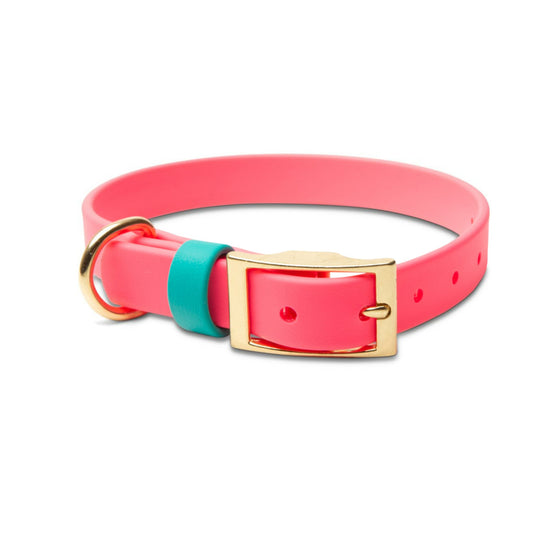
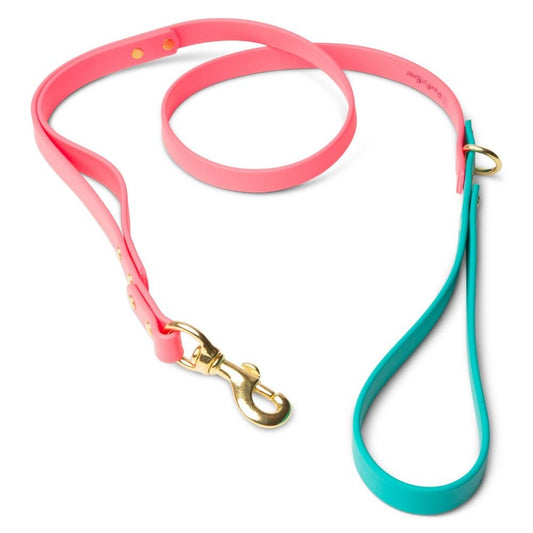
If you have not yet paired your tag with a quality collar, PawFurEver's dog collar collection offers durable options that complement your engraved tag perfectly.
Pet Safety Gear: Why the Tag Is Just the Beginning
A stainless steel personalized dog tag is your first line of defense, but comprehensive pet safety gear means thinking in layers.
Microchipping as a Backup
Microchips are permanent and cannot fall off, but they require a scanner and updated registry information to be useful. A physical tag with your current phone number remains faster and more accessible for the average person who finds your dog. The two work together: the tag gets your dog home quickly, the microchip provides a verified backup if the tag is ever lost.
QR Code Tags as a Modern Addition
For owners who want to include more information than a small tag surface allows, QR code dog tags let a finder scan a code with their smartphone to access a full profile of your dog, including your address, vet contact, and medical history. This is an excellent complement to a standard engraved tag rather than a replacement for it.
Caring for Your Stainless Steel Dog Tag
One of the advantages of stainless steel is how little maintenance it requires compared to other metals. Still, a few simple habits will keep your dog's tag in perfect condition for years.
-
Rinse the tag after heavy salt exposure such as ocean swimming to prevent any long-term buildup on the attachment ring
-
Check the split ring or attachment hardware regularly, since the ring wears out faster than the tag itself
-
Wipe the tag down with a damp cloth monthly to keep the engraving free of dirt and grime buildup
-
Update your contact information on the tag whenever your phone number changes, even if the tag itself looks perfect
How to Order the Right Tag for Your Dog
Ordering a personalized stainless steel dog tag is straightforward, but a few details make the difference between a tag you love and one you have to replace.
First, decide what information you want on the tag before you start the ordering process. Write it out, count the characters, and check it twice. Typos on an engraved metal tag mean ordering a replacement. Double-check your phone number character by character.
Second, choose a size based on your dog's weight rather than guessing. If you are unsure, measure the dog collar and look at the attachment area to get a sense of how large a tag it can comfortably hold.
Third, look for a tag made from surgical grade or marine grade stainless steel. These grades have higher chromium and nickel content, giving them superior rust resistance compared to basic food-grade stainless.
Final Verdict: Invest Once in a Tag That Lasts
A stainless steel personalized dog tag is one of the lowest-cost, highest-impact investments you can make in your dog's safety. It does not require charging, a subscription, or maintenance. It works instantly for anyone who finds your dog, no technology required.
Choosing stainless steel over cheaper alternatives means choosing a tag that handles rain, mud, sand, saltwater, and years of daily wear without failing you when it matters most. With laser engraving and the right information, a quality stainless steel tag can outlast your dog's collar, their leash, and most of the other gear you buy over the years.
Frequently Asked Questions
1. Are stainless steel dog tags really rust-proof?
Yes. Stainless steel contains chromium, which forms a natural oxide layer on the surface that prevents rust and corrosion. Unlike aluminum, zinc alloy, or brass tags, stainless steel does not oxidize when exposed to water, salt, or humidity.
2. How many characters can fit on a stainless steel personalized dog tag?
This depends on the size of the tag and whether you use both sides. A standard one-inch round tag typically fits 3 to 4 lines of text with 15 to 20 characters per line. Larger tags allow more information.
3. Will a stainless steel dog tag irritate my dog's skin?
Stainless steel is hypoallergenic and safe for virtually all dogs. It does not contain the nickel-release levels found in some cheaper alloys that can cause contact irritation in sensitive pets. The smooth, polished surface is also less likely to snag or irritate skin compared to rough or coated tags that develop sharp edges as the coating wears off.
4. How long does laser engraving last on a stainless steel dog tag?
Laser engraving on stainless steel is permanent. The laser removes material from the surface rather than applying a coating or ink, which means the characters cannot peel, fade, or wash away.
5. What is the best information to put on a personalized dog tag with a phone number?
The most important information on any personalized dog tag with a phone number is your dog's name and your primary mobile number. These two pieces of information are enough to reunite most lost dogs with their owners quickly.