

Why Does My Dog’s Collar Smell So Bad? (And How to Fix It for Good)
Let’s be honest. You love your dog. You’d do anything for that furry face. But that collar? That funky, mysterious, “what died in here” smell coming off the collar? Not so lovable.
If you’ve ever pulled your dog’s collar off and immediately regretted putting your nose anywhere near it, you’re not alone. It’s one of the most common complaints among dog owners and it’s also one of the easiest to solve, once you understand what’s actually happening.
What Actually Causes That Awful Collar Smell?
Here’s the short answer: bacteria. Your dog’s collar sits against their skin all day. It collects dead skin cells, natural oils, saliva, moisture from rain or swimming, and whatever your dog decided to roll in at the park. When those things get trapped in absorbent collar materials like nylon or fabric, bacteria start throwing a party.
According to a 2019 study from NSF International, pet items including collars and toys are among the germiest objects in an average household. The same study found that pet bowls ranked fourth on the list of dirtiest household items. Now imagine that same level of grime wrapped around your dog’s neck 24/7.
Traditional nylon collars are woven, meaning they have tiny gaps in the fabric. Moisture, dirt, and bacteria settle into those gaps and refuse to leave. You can wash them, sure. But within days the smell is back, sometimes worse than before because the washing never fully dries the inner fibers.
Why Leather Collars Aren’t the Fix Either
A lot of dog owners switch to leather thinking it’ll solve the odor problem. And for a few weeks, it does. Leather doesn’t absorb moisture as fast as nylon. But leather has its own issues.
When leather gets repeatedly wet swimming, rain, baths it loses its natural oils. It stiffens, cracks, and eventually starts harboring mold and mildew. That’s not just a smell problem. That’s a skin irritation problem. Veterinary dermatologists have noted that prolonged contact with damp, deteriorating collar materials can contribute to contact dermatitis in dogs, especially those with sensitive skin.
Plus, a decent leather collar runs $40 to $80 and lasts maybe one to two years if your dog is active outdoors. That adds up fast.
The Material That Changed the Game: Biothane
Biothane was originally developed in the 1970s in Ohio for equestrian use. It’s a polyester webbing core coated in either TPU (thermoplastic polyurethane) or PVC. That coating is the key. It creates a completely non-porous surface. Water cannot penetrate it. Bacteria have nowhere to live.
Think of it like this: nylon is a sponge, leather is a paper towel, and Biothane is a glass table. Water just beads off and rolls away. Nothing soaks in. No trapped moisture means no bacteria means no smell. Period.
This isn’t some exotic, hard-to-find material either. Biothane meets FDA skin sensitivity requirements and has been trusted by professional dog trainers, military K9 handlers, and competitive sport dog owners for decades. Veterinarians and trainers regularly recommend it. CNN Underscored’s 2026 dog collar review noted that every vet and trainer they consulted recommended Biothane as a top collar material.
How PawFurEver’s Biothane Collars Solve This Problem
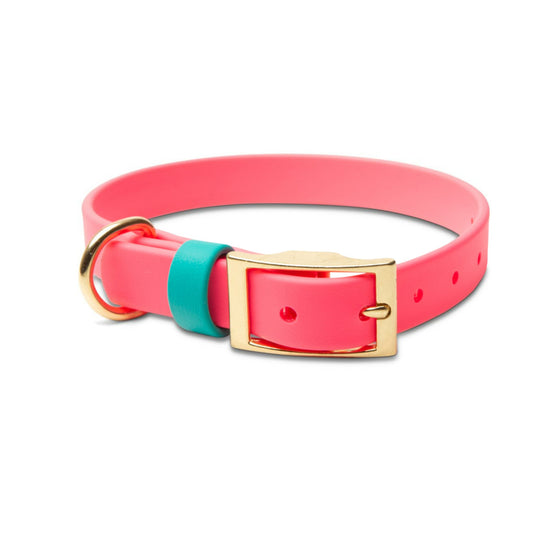
PawFurEver’s waterproof dog collars are handcrafted in the USA from genuine Biothane. They come in seven duo-tone color combinations and four sizes, starting at $19.99. The hardware is stainless steel, so even if your dog swims in saltwater or chlorinated pools, the buckles and D-rings won’t corrode or rust.
Cleaning? Wipe it with a damp cloth. That’s the whole routine. No soaking, no scrubbing, no waiting for it to air dry for eight hours. Your dog’s collar goes from muddy trail mess to looking brand new in about fifteen seconds.
And because the material doesn’t absorb anything, it also doesn’t harbor the bacteria that cause skin rashes under collars. If you’ve ever dealt with a red, irritated patch of skin under your dog’s nylon collar, you know how miserable that can be for your pup.
The Real Cost of Cheap Collars
A $10 nylon collar seems like a bargain until you’re replacing it every six months. Over a dog’s 12-year lifespan, that’s $240 on collars that stink, fray, and fade. A single Biothane collar at $19.99 can last the better part of a decade with zero maintenance. The math isn’t even close.
Beyond dollars, there’s the comfort factor. A collar that doesn’t trap moisture against your dog’s skin is a collar that doesn’t cause hot spots, fungal infections, or contact dermatitis. Fewer vet visits. A happier dog. A less frustrated owner.
Who Should Switch to a Waterproof Collar?
Honestly? Almost everyone. But these owners will notice the biggest difference: owners of water-loving breeds like Labradors, Golden Retrievers, Spaniels, and Poodles who swim regularly; owners in humid or rainy climates where collars never fully dry; owners of active dogs who hike, play in mud, or explore trails; owners of dogs with sensitive skin or a history of collar rashes; and honestly, anyone who’s just tired of that smell.
Final Thought
Your dog’s collar shouldn’t be something you dread touching. It shouldn’t smell like a swamp and it shouldn’t make your dog itch. The fix isn’t another round of baking soda scrubbing or another $12 nylon collar from the pet store. The fix is switching to a material that was engineered to not have these problems in the first place.
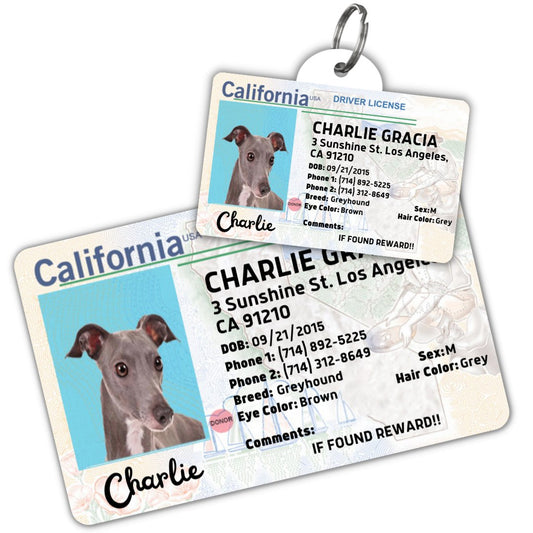
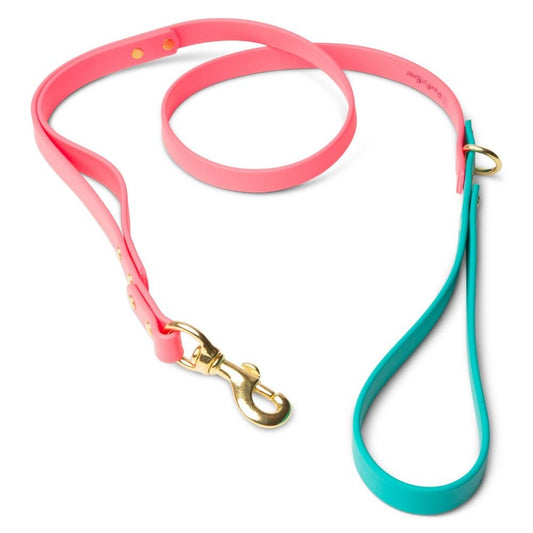
PawFurEver’s Biothane waterproof collars are handcrafted in the USA, priced at $19.99, and designed to last for years without stinking, cracking, or falling apart. Pair one with a matching biothane leash and a custom dog tag or QR code dog tag for the complete setup. Your dog deserves better than a smelly collar. And your nose deserves a break.
Sources
NSF International: Household Germ Study (2019)
BioThane.us : Official Material Documentation
CNN Underscored : Best Dog Collars 2026 Review
American Kennel Club : Dog Skin Conditions Guide